Last updated November 17, 2026
New windows and doors improve comfort, cut energy bills and add long-term value to your home. Sightline Windows & Doors Summerlin pairs proven product lines with a local vetted installing partner for lasting performance - and a price put in writing.
Choose your installer
The unit is half the job - the install is the other half. Background-checked local installers measure, set, seal and insulate every opening, and they know the lines we quote inside and out.
Select the right products
Compare styles, materials and glass packages side by side until the fit is right for your rooms, your budget and your goals. The product-line comparison below is the place to start.
Prepare your home for install
Before install day we walk you through a short checklist - furniture pulled back, treatments down, a clear path to each opening - so install day is watch-it-happen, not scramble.
Compare the Lines We Quote
Every project is priced on the same lines, side by side - the price indicators below are relative, and your consultant shows exact numbers on your actual openings.
PGTThe line homeowners arrive naming - the most impact certifications in the industry$$$
- More impact certifications than any other line we quote
- WinGuard, EnergyVue and ClassicVue Max systems built for every wind zone
- 99% on-time delivery keeps your install date on the calendar
CGIThe heavyweight impact line$$$$$
- Large-missile impact ratings for the strictest wind zones
- Architectural-grade aluminum with commercial-depth frames
- The line we quote when protection is the whole point
CWSThe value pick$$
- Vinyl systems built to strict wind codes
- Strong energy packages at the friendliest price point
- The smart start for whole-home replacements on a budget
ESWSlim lines, big glass$$$$
- Narrow-sightline aluminum for modern elevations
- Oversized openings and floor-to-ceiling glass
- Impact-rated without the bunker look
ECOThe aluminum impact workhorse$$$
- Factory-built aluminum impact systems
- A strong price-to-protection ratio for coastal homes
- Proven lines with short lead times
DIY vs Professional Energy-Efficient Windows: What’s Safe to Do Yourself
Here’s the fact most window marketing avoids: a top-tier energy-efficient window installed with a gap in the backer rod and sealant at the rough opening performs no better than a builder-grade unit installed correctly. The air infiltration through that gap cancels the efficiency premium you paid for. Installation quality decides performance, not the sticker on the glass. This guide breaks down which parts of a window project a careful homeowner can genuinely handle, which parts require trade knowledge and inspection-ready execution, and what it costs to get it wrong in a Summerlin home.
Quick Answer
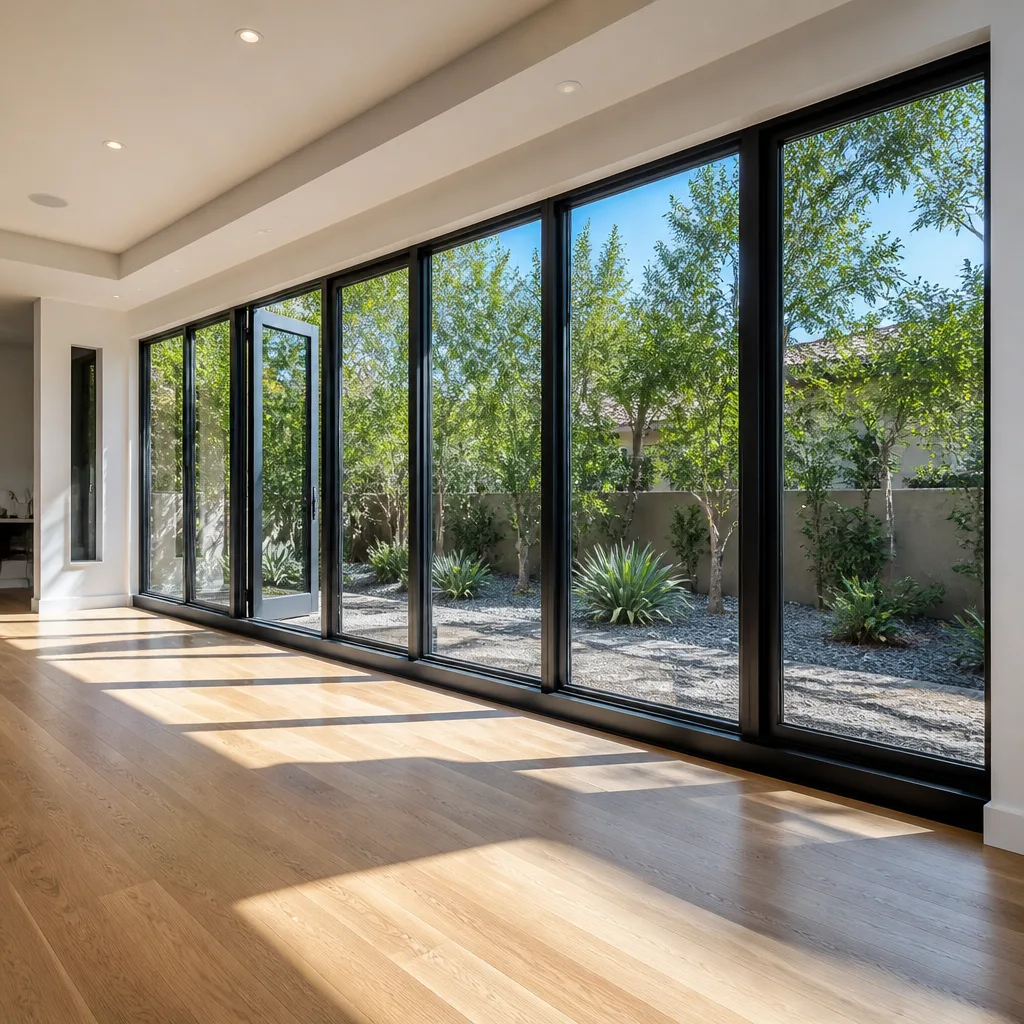
Only the finish work is safe to DIY: interior trim, hardware swaps, weatherstripping on existing frames, and painting exterior casing. The installation itself (air barrier continuity at the rough opening, sill pan flashing, and frame shimming for square) requires trade knowledge and is where energy performance is won or lost. On top of that, NV Energy rebate claims for energy-efficient windows require proof of professional installation with a contractor license number, so a DIY install forfeits the rebate entirely.
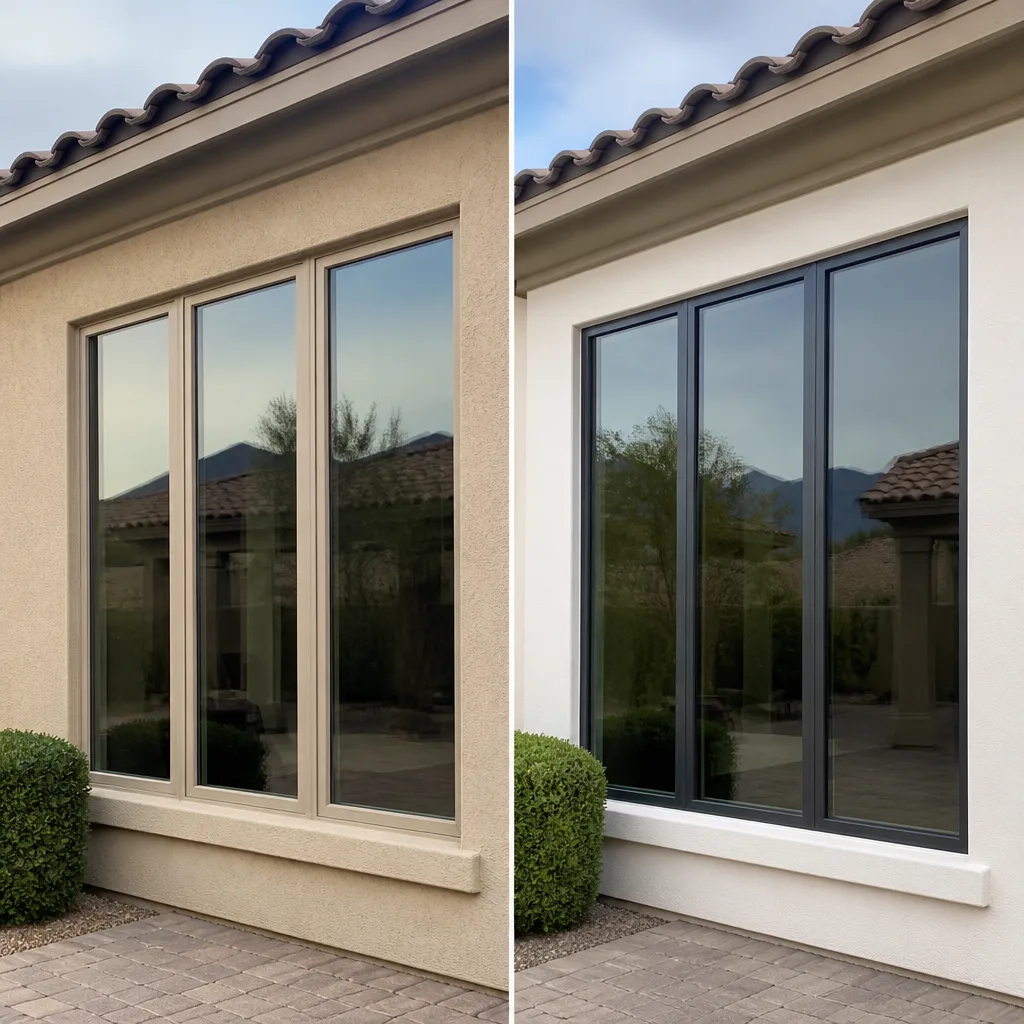
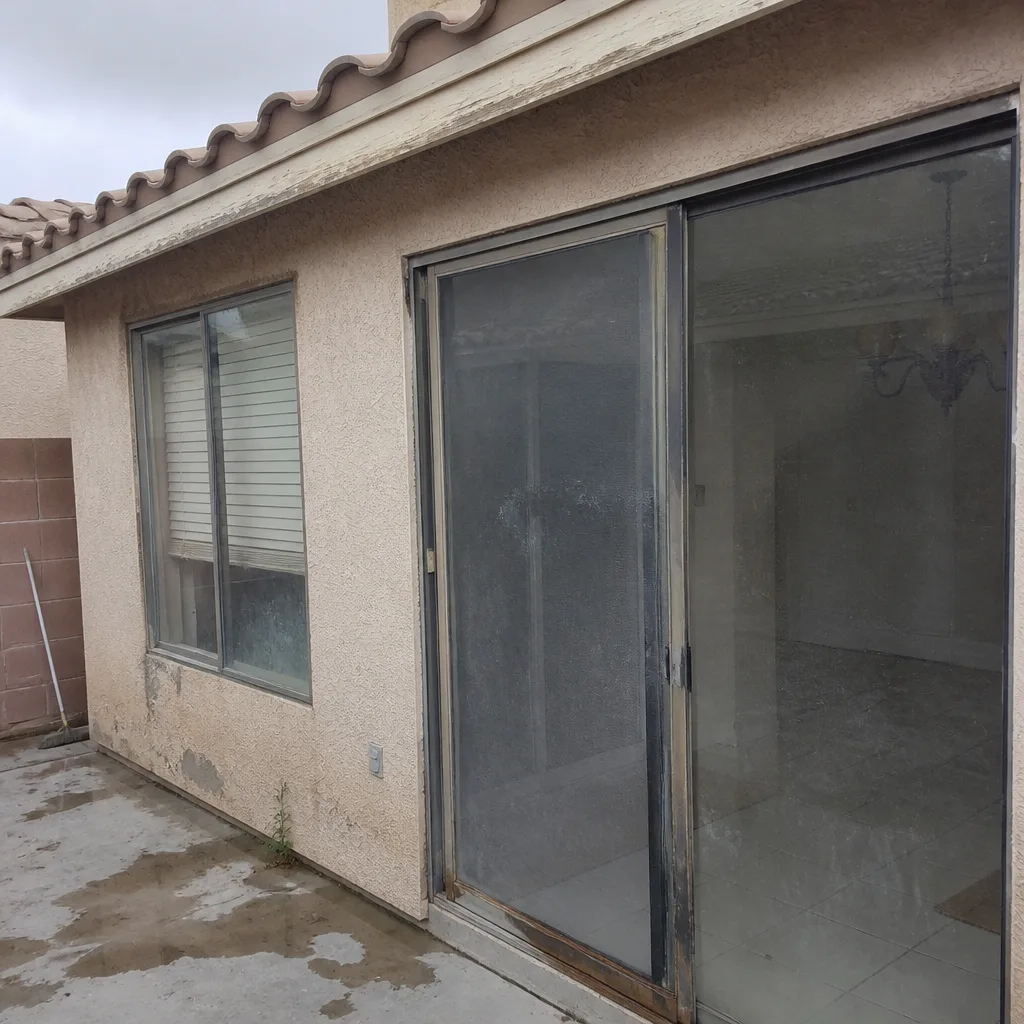 Before
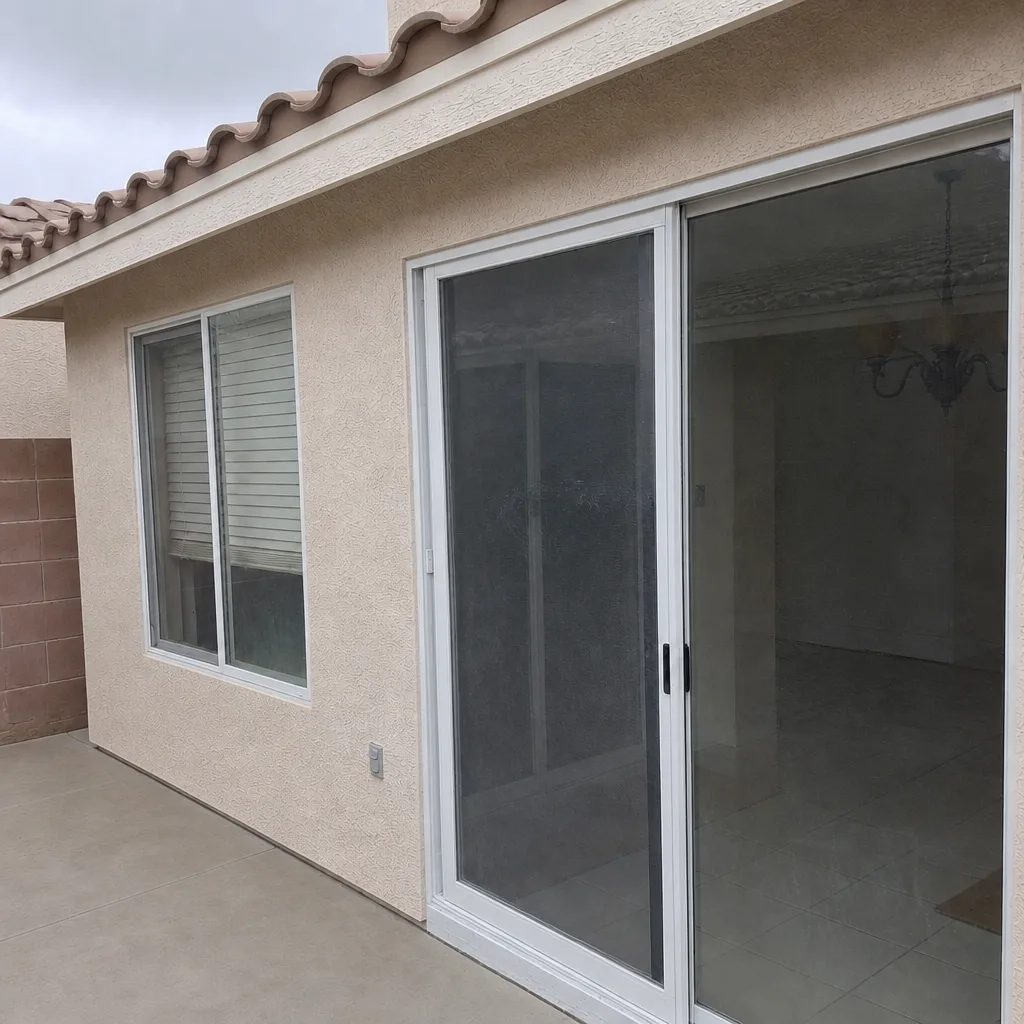 After
Table of Contents
- Where Window Performance Actually Lives
- What’s Genuinely Safe to Do Yourself
- The Three Installation Steps That Decide Efficiency
- How to Verify a Professional Installation
- The Rebate Documentation Risk in Nevada
- Cost Comparison: Five-Year Math
- Summerlin-Specific Considerations
- Common Mistakes to Avoid
Where Window Performance Actually Lives

Frame any window decision around this proportion: roughly 40% of energy performance comes from the glass specification, and 60% from the installation. U-factor and SHGC tell you what the glass can do in a lab. Air sealing at the rough opening, sill pan flashing, and proper shimming determine what happens in your actual wall assembly in Summerlin’s summer heat and winter desert swings.
This isn’t a knock on good glass. Products like ECO Window Systems and ViewLux do real work on solar heat gain, which matters when Summerlin temperatures hold triple digits for weeks. But the lab rating assumes the unit sits in a properly sealed opening. In our measured surveys across Summerlin, we’ve pulled trim on units a few years old and found backer rod compressed short of the corner, sealant bridging the gap rather than filling it, and no visible continuity between the window flange and the weather-resistive barrier.
The trade term for that failure is a broken air barrier. The practical result is a window that meets its U-factor on paper and leaks conditioned air around the frame all summer. Energy-efficient window replacement in Summerlin only delivers savings when the installer treats the rough opening as a sealed system, not a hole to fill.
What’s Genuinely Safe to Do Yourself
Plenty of the project is within reach for a homeowner who measures twice. None of it touches the air barrier or the structural anchoring of the unit, which is the dividing line.
- Interior trim installation. Casing, stool, and apron go on after the window is set and sealed. If you’re comfortable with a miter saw and coping cuts, this is finish carpentry, not glazing. It affects appearance, not performance.
- Hardware replacement. Swapping sash locks, cranks, or handles on existing windows is a screwdriver job. Match the manufacturer and model. A Therma-Tru door hardware set, for example, specifies its own lock prep and backset, and the wrong part won’t seat.
- Interior weatherstripping on existing frames. New bulb or fin seal on an old operable window can close gaps at the sash. It extends the life of a window you’re not ready to replace, and it costs a fraction of a new unit.
- Exterior casing painting. Keeping paint sound on wood casing is legitimate maintenance. Caulk and paint the casing, but don’t caulk over the drainage path at the sill or the weep system.
- Interior shade and film decisions. Cellular shades, solar screens, and correct curtain placement are real efficiency moves, and they’re entirely yours to handle.
Notice what’s absent: nothing on this list touches the rough opening, the flashing, or the anchoring. Those carry the performance and the risk.
The Three Installation Steps That Decide Efficiency
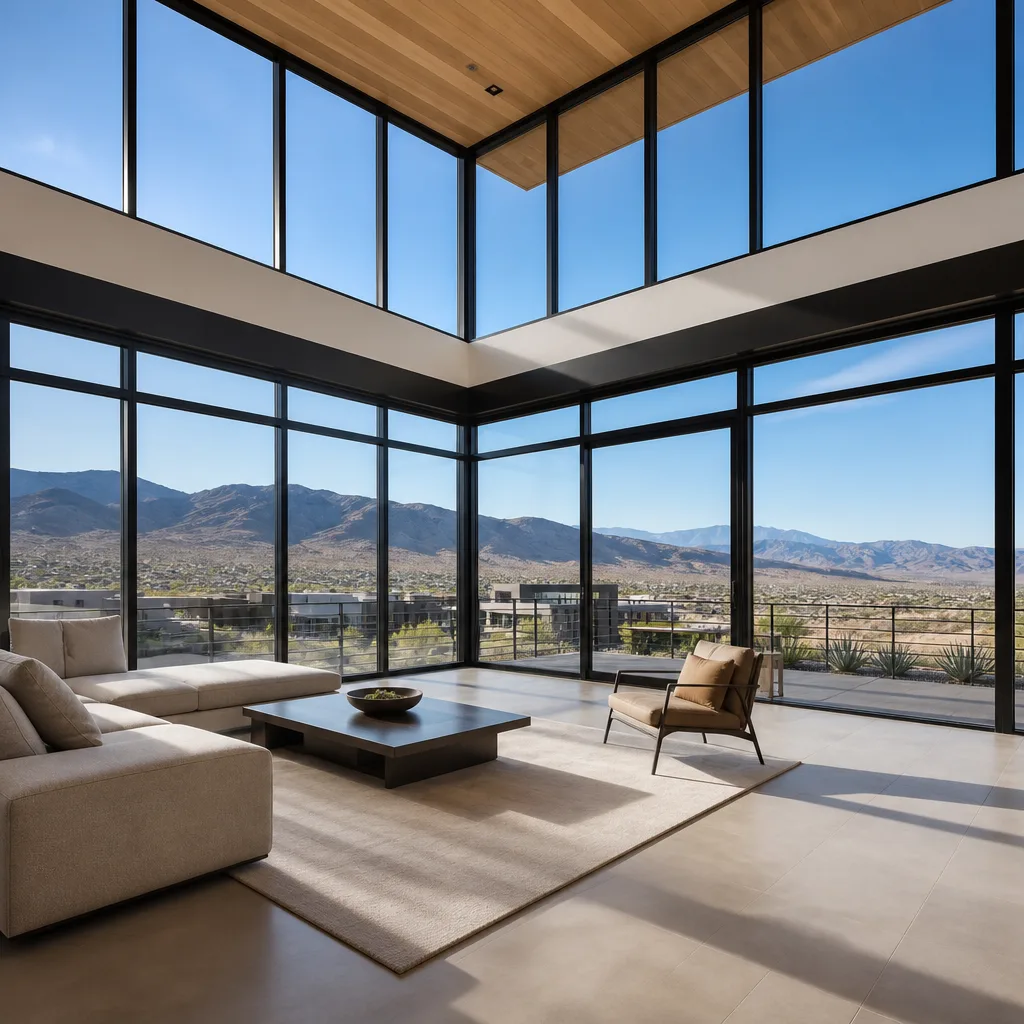
These are the checkpoints that separate a performance install from a cosmetic one. We’re describing what correct work looks like so you can inspect it, not so you can attempt it. Each of these requires trade judgment about the specific wall assembly, and getting one wrong compromises the window.
- Air barrier continuity at the rough opening. The seal between the window frame and the wall must connect to the home’s weather-resistive barrier with no breaks. Backer rod goes in to the correct depth before sealant, and sealant fills the joint rather than spanning it. A gap here, even a small one, drives air infiltration that erases the efficiency premium.
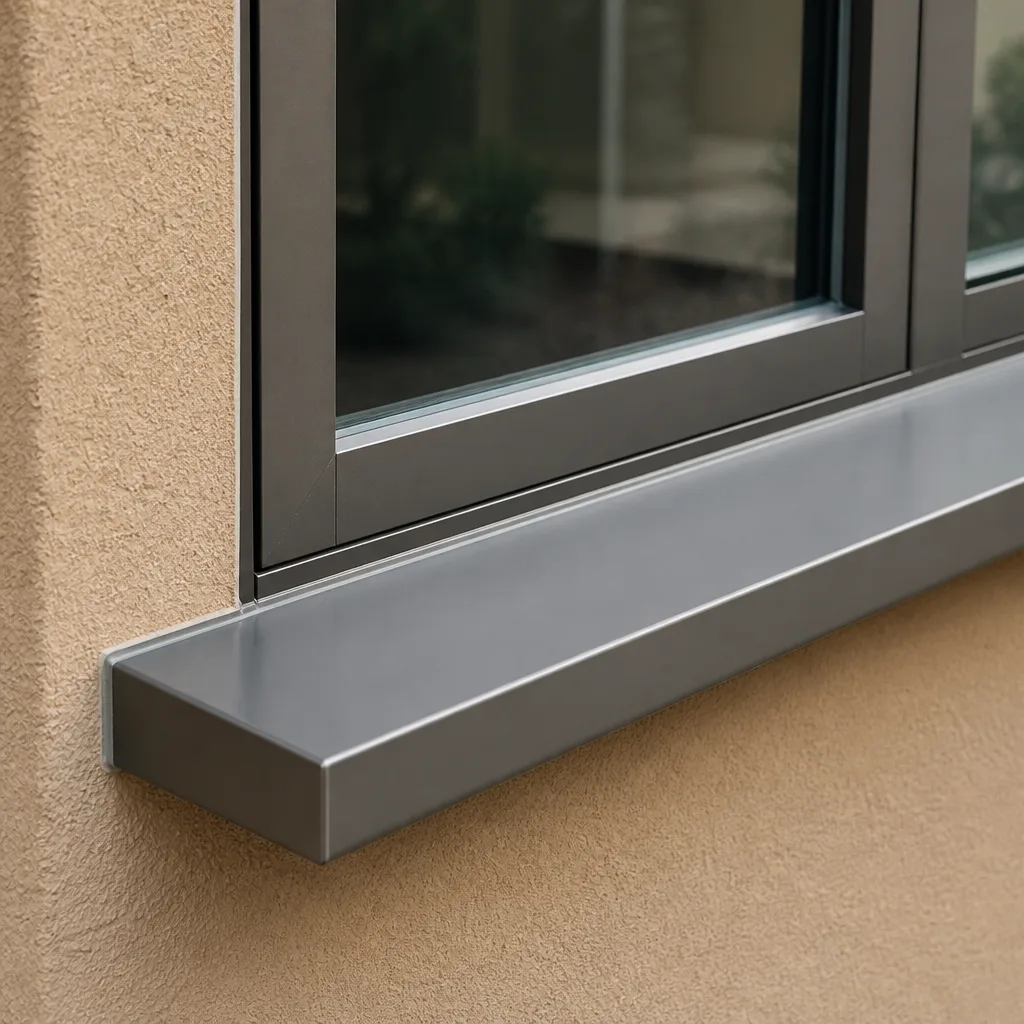
- Sill pan flashing integration. The sill is where water collects. Flashing must run under the window, turn up at the jambs, and lap over the building paper in the correct shingle order. In Summerlin, the risk isn’t just rain: it’s the occasional monsoon burst and sprinkler overspray hitting a wall that was never detailed for drainage.
- Frame shimming for square. A window shimmed out of square won’t close, seal, or lock correctly, and the operating hardware wears early. Shims go at specific load points, and the frame gets checked for plumb, level, and square before fasteners are driven. Fastener spacing at the flange follows the manufacturer’s schedule, and skipping fasteners to save time is one of the most common shortcuts we find.
All three require knowing the wall assembly, the product’s installation manual, and the local code. That’s trade knowledge, not general handyman skill. It’s the reason window installation in Summerlin is a licensed-contractor scope rather than a weekend project.
How to Verify a Professional Installation
You hired a professional. How do you know the work was done right before the drywall and trim close it in? Ask for the photo record. A properly documented installation shows the following checkpoints, and any installer who can’t produce them is asking you to trust what you can’t see.
- Sealant bead continuity. Photos of the full perimeter after sealant, with the backer rod visible at the correct depth. A continuous bead with no skips at the corners is the benchmark.
- Shim placement. Photos showing shims at the load points and the frame checked for plumb before fasteners.
- Flange fastener spacing. Fasteners at the manufacturer’s scheduled intervals, not just enough to hold the unit while the trim goes on.
- Sill pan flashing lapping. The flashing turning up at the jambs and lapping over the barrier in the right order.
- Air barrier tie-in. The connection between the window flange and the weather-resistive barrier, visible before it’s covered.
We build this into the window replacement in Summerlin process as standard, not an upsell: a documented photo record on every visit. The measured survey you keep and the final invoice are the same document, and the written price is settled before a tool is lifted. If you have a competitor’s estimate in hand, our free second opinion reviews it at no charge. Call (844) 560-5201 to schedule one.
The Rebate Documentation Risk in Nevada
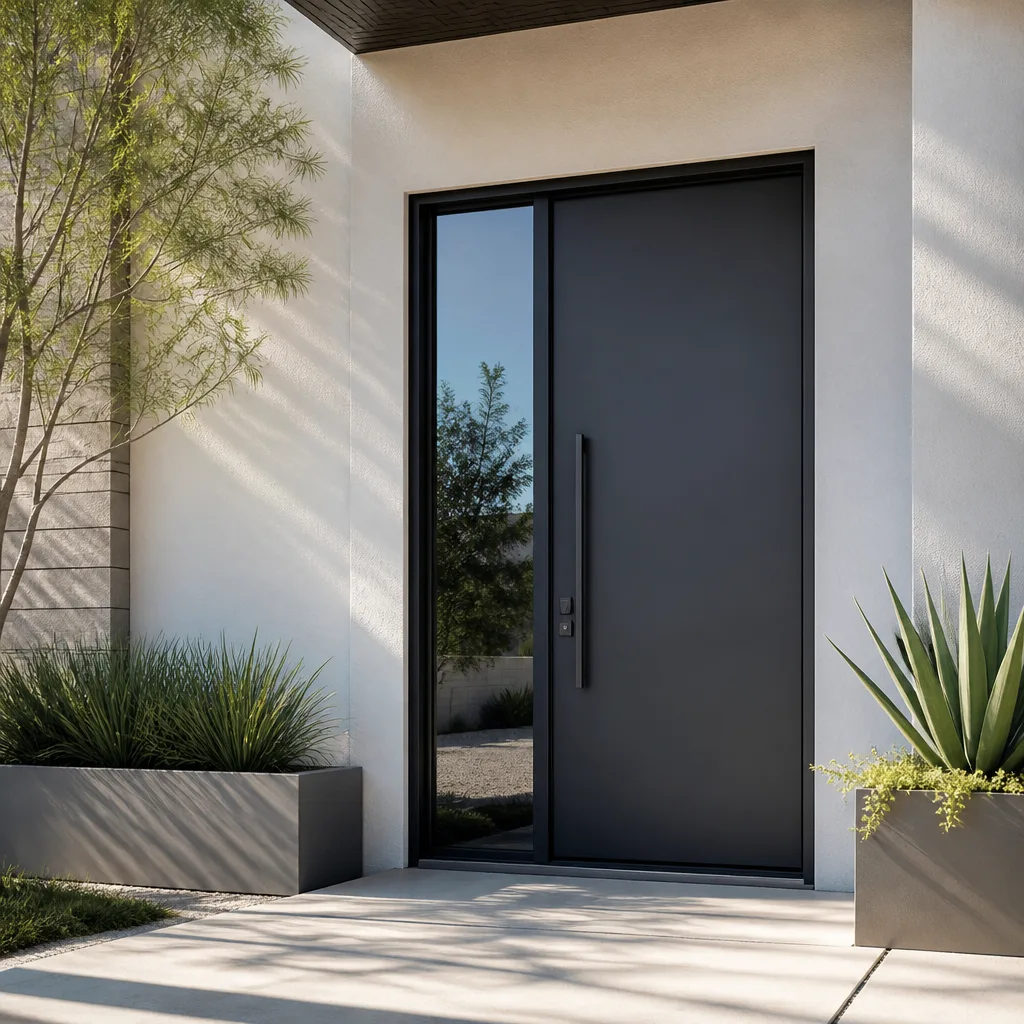
This is where DIY gets expensive in a way most calculators miss. NV Energy rebate claims for energy-efficient window upgrades require proof of professional installation with a contractor license number. A DIY installation forfeits the rebate entirely, and the paperwork is not retroactive. You can’t install the windows yourself, discover the paperwork requirement, and then claim it.
The window rebate isn’t the only program with documentation requirements. When homeowners go through the process in Summerlin, we help assemble the documentation the incentive programs ask for: product specifications, installation records, and contractor identification. The energy-efficient window lines we install, including ECO Window Systems and ViewLux, are specified by performance tier and price range so you can match the product to the rebate criteria before you buy.
Before you buy anything, ask the installer three questions: what does your written rebate and documentation support look like, will the contractor license number appear on the invoice, and will the installation photo record be produced without a request. A professional answers all three in writing.
Cost Comparison: Five-Year Math
The honest comparison isn’t “labor saved” versus “labor paid.” It’s the full picture across five years: what you pay a pro, versus what a DIY install leaves on the table in rebates and lost performance. Actual numbers vary by product, window size, and code scope, so treat these as ranges for the conversation, not a quote.
- Professional installation labor: typically the largest line item in a window replacement quote, and the part that carries the warranty, the rebate eligibility, and the installation record.
- NV Energy rebate forfeiture: the full rebate amount, gone on a DIY install because the claim requires a licensed contractor’s documentation.
- Energy performance loss from an improperly sealed DIY install: air infiltration through a broken air barrier compounds over five years, and the summer cooling load in Summerlin is where it shows up first.
- Early replacement cost: a unit that fails to seal often needs re-setting or replacement well inside its expected service life, and that’s the largest line on the list.
When those four are added up against the actual labor cost of professional installation, the savings from DIY shrink fast. For a written, line-item price before any work starts, call (844) 560-5201. Estimates are free.
Summerlin-Specific Considerations
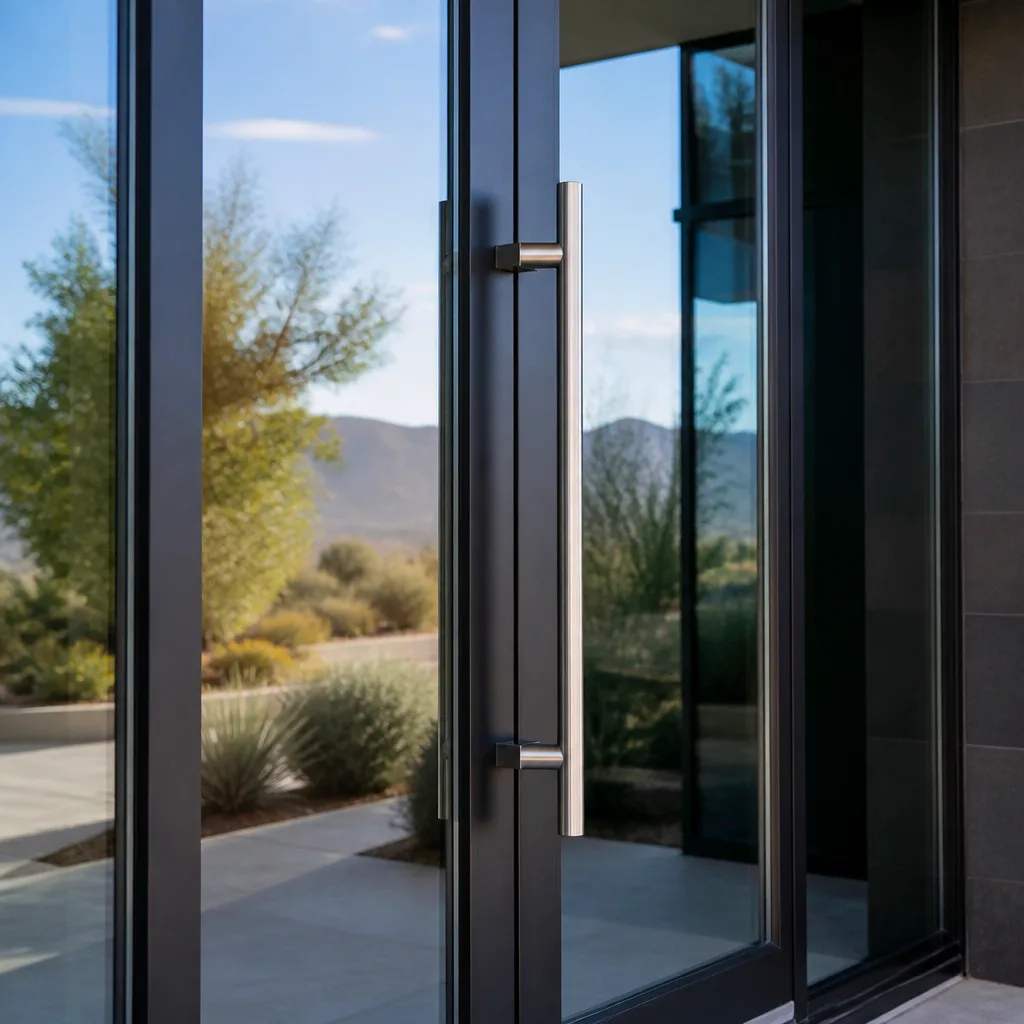
Window decisions in Summerlin aren’t made in a generic climate. The solar load is the defining factor: west- and south-facing glass takes direct high-angle summer sun, and SHGC (solar heat gain coefficient) matters more here than in most markets. That makes the sealing work that much more important, because a leaky frame lets in exactly the heat the glass was specified to reject.
Summerlin’s covenants, conditions, and restrictions also matter. Many communities review exterior changes, including window and door replacement, for style, color, and visible hardware consistency. Before you commit to a product line or exterior finish, check your community’s architectural review requirements. In our experience, the review step is where do-it-yourself homeowners most often get stuck: the product arrives, the plan is set, and the community’s sign-off isn’t.
The desert air also changes the flashing conversation. Summerlin’s sun bakes sealant, and the occasional monsoon burst tests anything that wasn’t detailed for drainage. Materials that hold up in a wet, mild climate don’t necessarily hold up here. That’s the context door installation in Summerlin carries too: the same rough-opening discipline applies to exterior doors, and it’s the same water and air sealing logic.
Common Mistakes to Avoid
- Judging the install by how it looks. Straight trim and a clean bead don’t tell you whether the backer rod reached the corners. Ask for the photo record of the air sealing before it’s covered.
- Skipping the sill pan flashing. Plenty of installs look fine until the first monsoon test. Water that enters at the sill finds the wall before it finds your trim.
- Buying on rebate without checking documentation. A DIY install forfeits the rebate even if the window qualifies on paper. Confirm the professional installation path before purchase.
- Ignoring community architectural review. Summerlin community requirements can delay a project past its window. Get sign-off before the product is ordered.
- Under-shimming to save time. An out-of-square window won’t seal or lock properly, and the hardware wears early. Shims at the load points are part of the job, not optional.
- Signing a quote that isn’t line-itemized. If the price isn’t written out by line, you can’t tell what’s included in the install, and the scope is the first place a “surprise” shows up.
- Trusting a verbal warranty. The workmanship warranty is only as good as the document behind it. Get it in writing.
When to Call a Professional
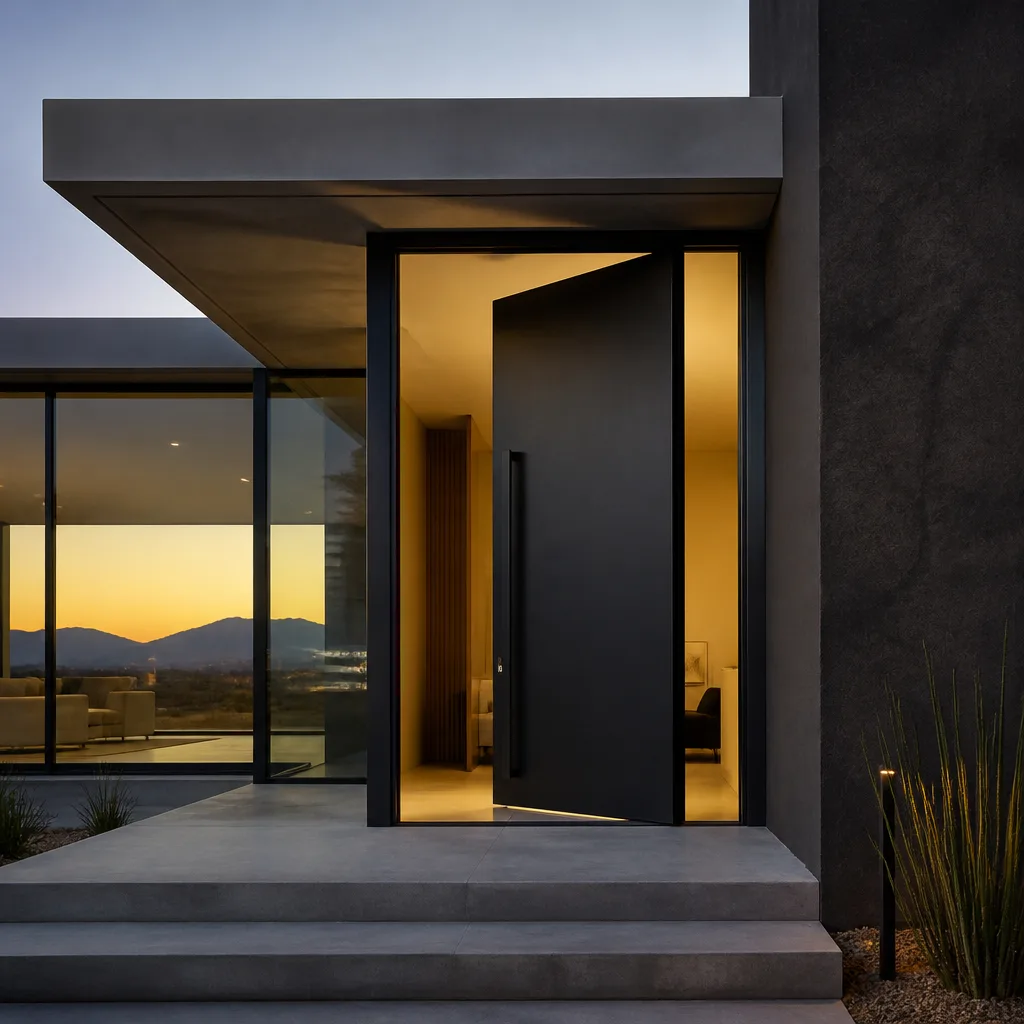
Call a professional for anything that touches the rough opening: new window installation, full-frame replacement, sill pan flashing, and any air barrier work. If you’re not sure whether the window you’re keeping sits square, call. If an existing window leaks air around the frame, don’t caulk it and hope; the seal is inside the wall assembly, not at the trim. Get a measured survey before you decide between repair and replacement, and get the price in writing before any work begins.
Sightline Windows & Doors Summerlin offers free estimates in Summerlin. Every job starts with a written price before a tool is lifted, and every completed job leaves a documented photo record under the 365-Day Done Right Promise: if it’s not done right, we make it right. Our background-checked technicians have up to 14 years of experience, and the manufacturer lines we install, including ECO Window Systems, ViewLux, and Therma-Tru, are specified by what the opening requires. Call (844) 560-5201 to schedule your free estimate. Live phone coverage is available around the clock.
Frequently Asked Questions
No. NV Energy rebate claims for energy-efficient windows require proof of professional installation with a contractor license number, so a DIY installation forfeits the rebate entirely. Confirm the documentation path before you buy. Call (844) 560-5201 for an exact quote, and estimates are free.
Interior trim installation, hardware replacement, interior weatherstripping on existing frames, and exterior casing painting are all safe to handle yourself. None of them affect the air barrier or the structural anchoring of the unit. Anything that touches the rough opening is professional scope.
Ask for the installation photo record and confirm five checkpoints: sealant bead continuity, shim placement, flange fastener spacing, sill pan flashing lapping, and air barrier tie-in. A professional produces these without being asked. Call (844) 560-5201 if you want a written second opinion on work already done.
It shouldn’t. Our written price is established before any work starts, and the quote cannot differ from the measured survey you keep. If a quote isn’t documented up front, that’s the first place to push back. Call (844) 560-5201 for a written, line-item estimate.
Roughly 60% of a window’s energy performance comes from installation. In Summerlin’s heat, a broken air barrier at the rough opening lets in the solar heat the glass was specified to reject, so the efficiency premium disappears. Labor for a professional install is the cost that protects that performance.
Timelines depend on the number of openings, product lead times, and community architectural review requirements. We set realistic expectations during the measured survey and confirm the schedule before the job. Call (844) 560-5201 for a written scope and timeline for your Summerlin home.
The Bottom Line
The safe DIY list is real: trim, hardware, weatherstripping, and paint. The performance list is not. Air barrier continuity, sill pan flashing, and frame shimming carry 60% of your window’s efficiency, and they require trade execution and an installation record. On top of that, a DIY install forfeits the NV Energy rebate because the claim requires a licensed contractor’s documentation. Our advice: inspect the finished work with the five photo checkpoints, and get the price in writing before anything starts. Sightline Windows & Doors Summerlin home is where the rest of the process lives if you want to compare scopes or line items. Call (844) 560-5201 for a free estimate, or bring a competitor’s written estimate and we’ll review it at no charge.
Written by the team at Sightline Windows & Doors Summerlin.
Six Reasons Homeowners Choose Sightline Windows & Doors Summerlin
Laminated glass and reinforced frames hold up to wind-driven rain, hail and flying debris, so your openings stay sealed when the weather turns.
Low-E insulated impact glass from our manufacturer lines commonly cuts monthly cooling bills 20-30%.
Laminated impact glass shuts out up to 40% of outside noise - traffic, neighbors, weather.
Monitoring services run $30-90 a month. Laminated impact glass resists forced entry around the clock, with no subscription.
Tighter seals and insulated glass even out hot and cold rooms and stop the drafts at the frame.
A full impact package upgrades curb appeal, buyer confidence and appraised value in one project.
Other Sightline Windows & Doors Summerlin Services