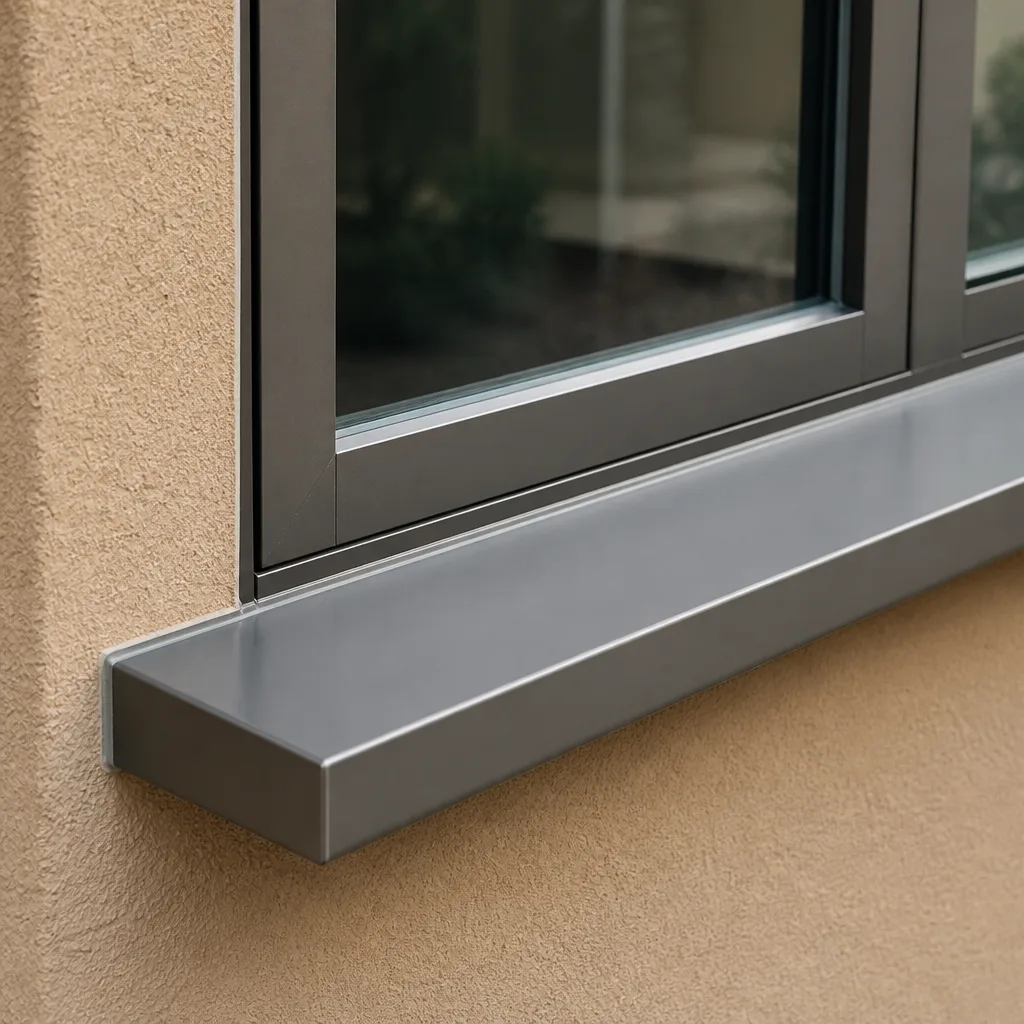
Last updated November 17, 2026
New windows and doors improve comfort, cut energy bills and add long-term value to your home. Sightline Windows & Doors Summerlin pairs proven product lines with a local vetted installing partner for lasting performance - and a price put in writing.
Choose your installer
The unit is half the job - the install is the other half. Background-checked local installers measure, set, seal and insulate every opening, and they know the lines we quote inside and out.
Select the right products
Compare styles, materials and glass packages side by side until the fit is right for your rooms, your budget and your goals. The product-line comparison below is the place to start.
Prepare your home for install
Before install day we walk you through a short checklist - furniture pulled back, treatments down, a clear path to each opening - so install day is watch-it-happen, not scramble.
Compare the Lines We Quote
Every project is priced on the same lines, side by side - the price indicators below are relative, and your consultant shows exact numbers on your actual openings.
PGTThe line homeowners arrive naming - the most impact certifications in the industry$$$
- More impact certifications than any other line we quote
- WinGuard, EnergyVue and ClassicVue Max systems built for every wind zone
- 99% on-time delivery keeps your install date on the calendar
CGIThe heavyweight impact line$$$$$
- Large-missile impact ratings for the strictest wind zones
- Architectural-grade aluminum with commercial-depth frames
- The line we quote when protection is the whole point
CWSThe value pick$$
- Vinyl systems built to strict wind codes
- Strong energy packages at the friendliest price point
- The smart start for whole-home replacements on a budget
ESWSlim lines, big glass$$$$
- Narrow-sightline aluminum for modern elevations
- Oversized openings and floor-to-ceiling glass
- Impact-rated without the bunker look
ECOThe aluminum impact workhorse$$$
- Factory-built aluminum impact systems
- A strong price-to-protection ratio for coastal homes
- Proven lines with short lead times
The Complete Window Replacement Guide for Summerlin Homeowners
Vinyl windows rated for Chicago winters and vinyl windows rated for Florida humidity are both sold in Summerlin showrooms. Neither rating tells you how that frame behaves at 115°F surface temperature. That number, the one nobody puts on the showroom tag, decides whether your low-E coating stays bonded for ten years or four. Summerlin sits in a climate that filters product categories more aggressively than most markets: a UV index that holds at 10 or above for roughly half the year, a 40°F swing between afternoon and overnight, and single-digit humidity that pulls plasticizers out of sealant years ahead of schedule. This guide covers which frame materials survive that, which glazing performs on which wall orientation, how the Clark County permit process actually runs, what a real Summerlin install costs in dollars, and why the measured survey has to exist before anyone names a price.
Quick Answer
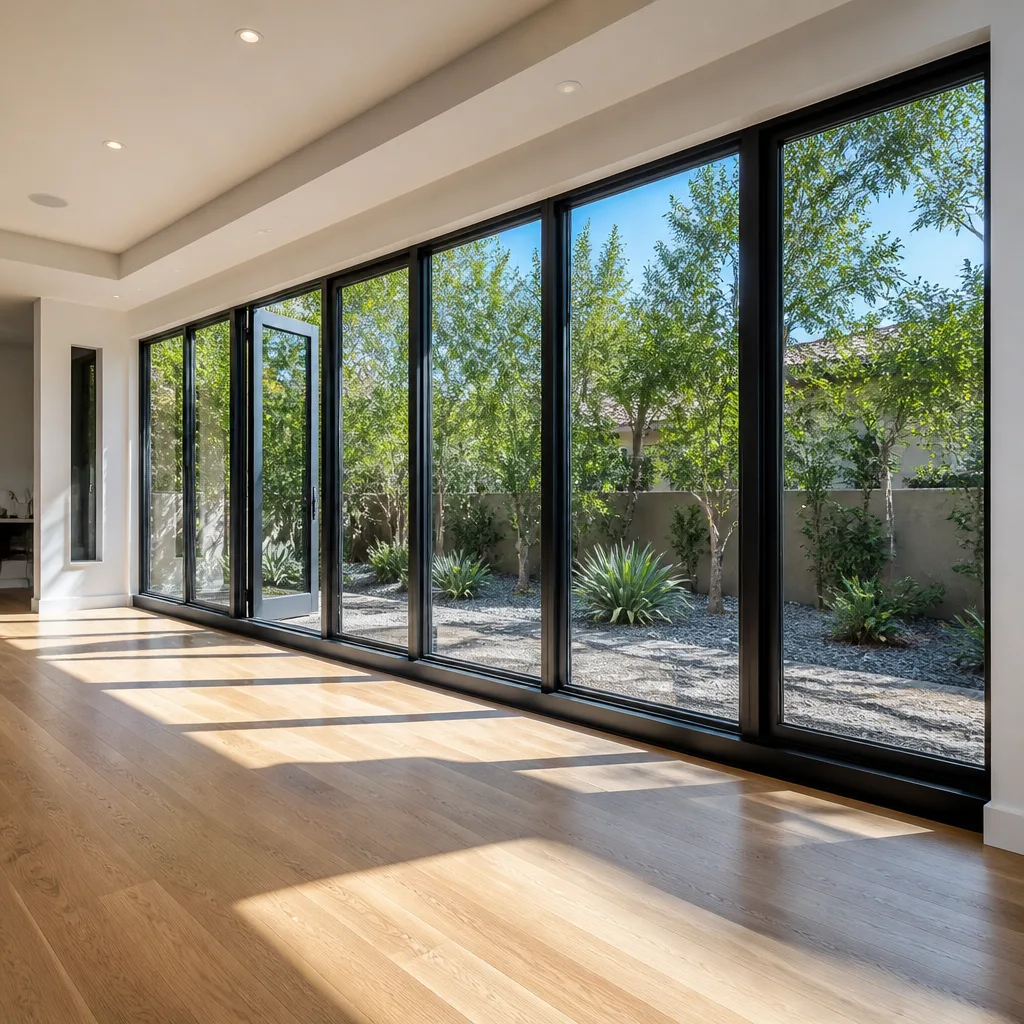
Window replacement in Summerlin typically runs $650 to $1,400 per opening for standard energy-efficient units and $1,100 to $2,200 for impact-rated glass, with a full-home replacement on a 2,400-square-foot house landing between $14,000 and $32,000 depending on frame material, glazing package, and count. The right product for Summerlin is not the cheapest unit that meets code; it’s a frame that holds dimensional stability above 110°F ambient with a soft-coat low-E and argon fill on west and south exposures. And no legitimate quote gets written without a measured survey of every opening first.
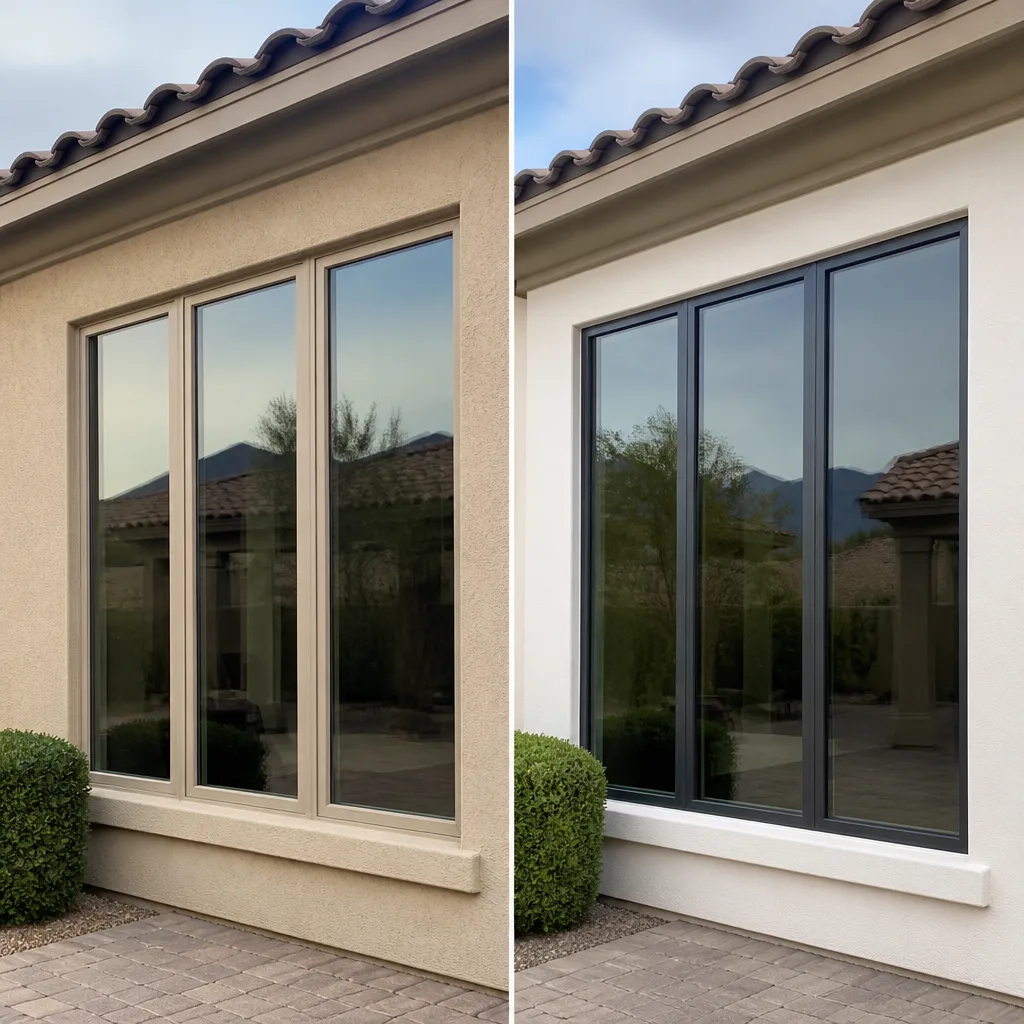
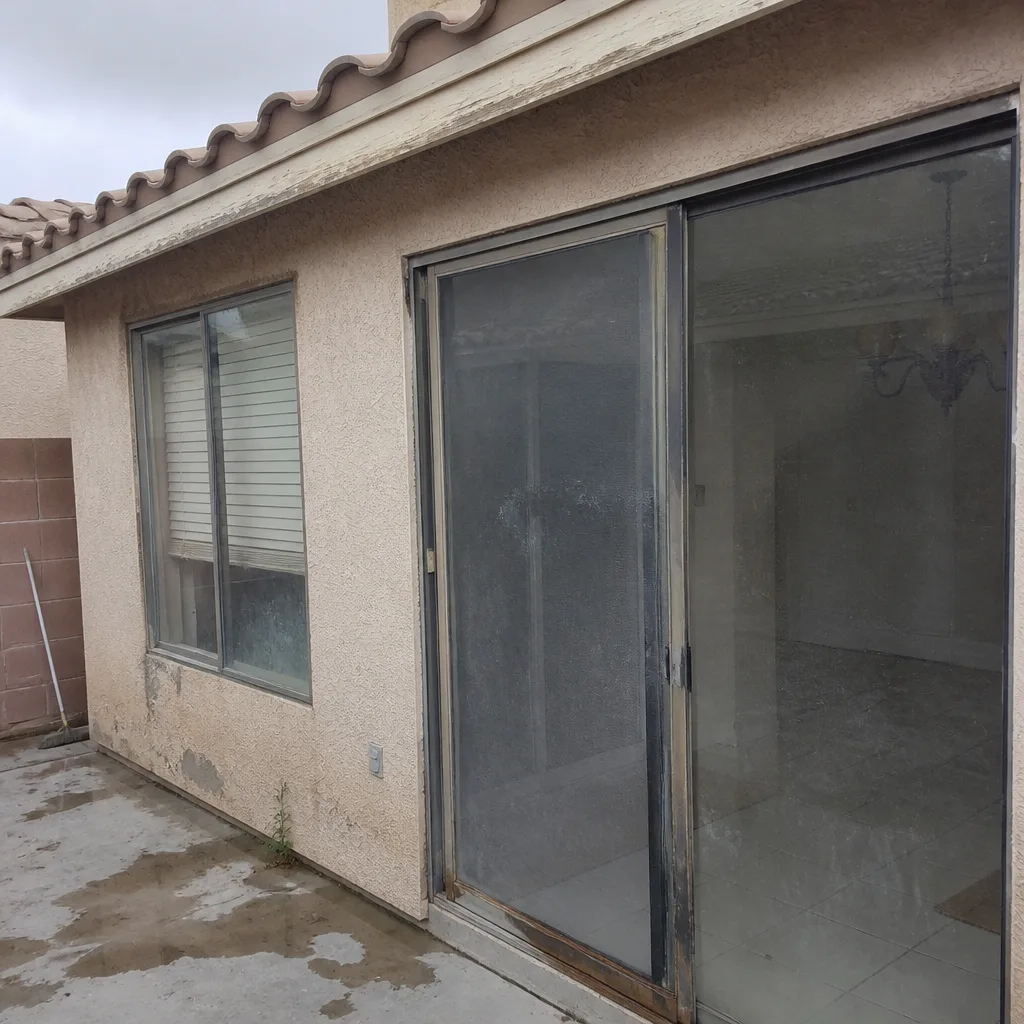 Before
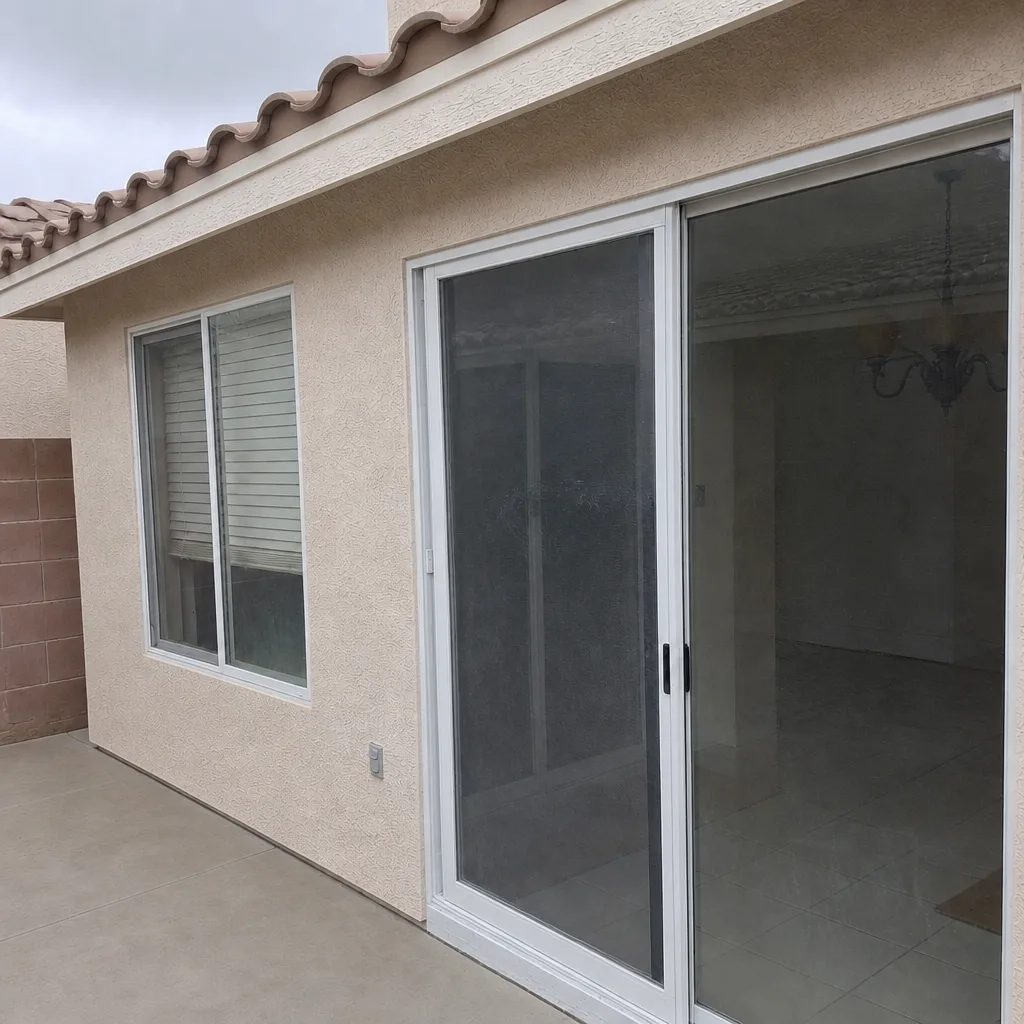 After
Table of Contents
- Why Summerlin’s Climate Filters Product Categories
- Frame Materials: What Holds Up Above 110°F
- Low-E Glass: Hard-Coat vs. Soft-Coat by Orientation
- The Measured Survey Comes Before the Price
- The Clark County Permit Process for Window Replacement
- What Window Replacement Costs in Summerlin
- What a Legitimate Bid Contains
- Common Mistakes to Avoid
- When to Call a Professional
Why Summerlin’s Climate Filters Product Categories
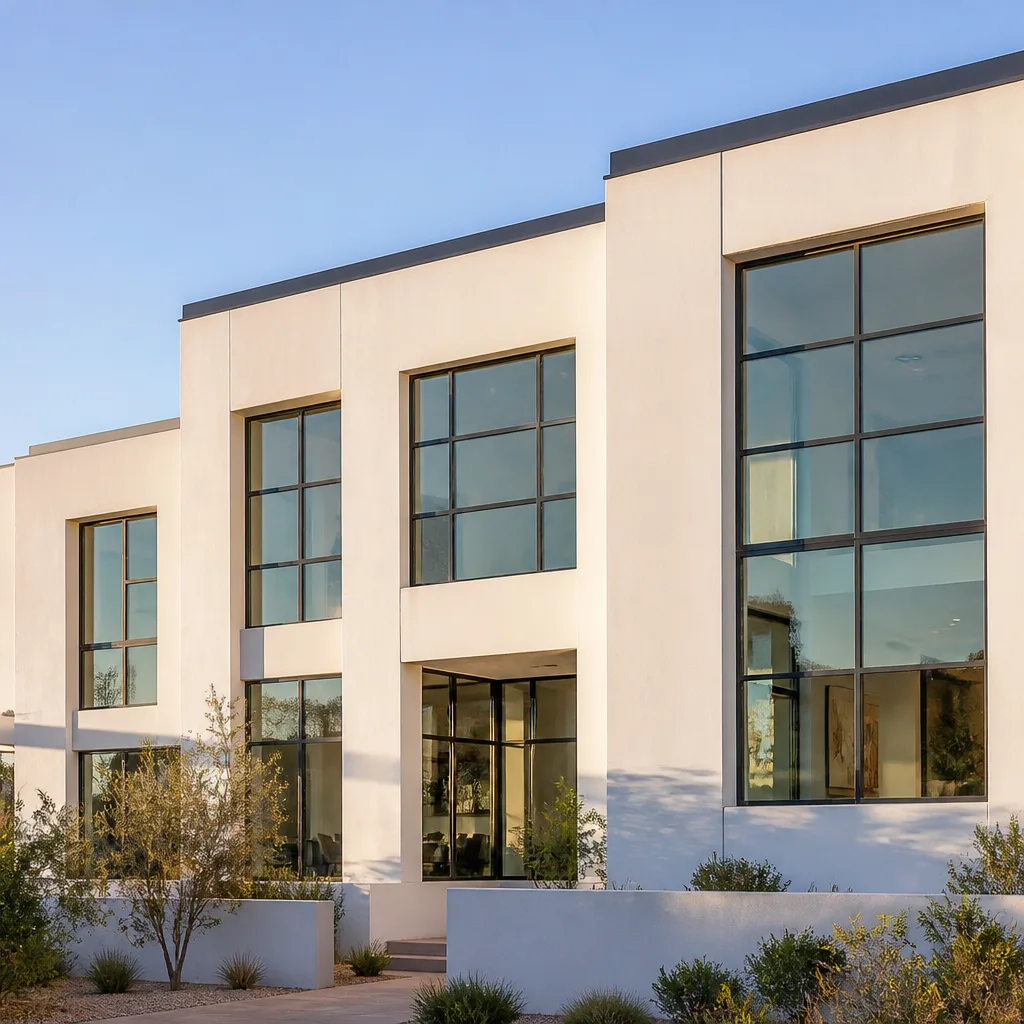
Most window ratings are built around heating performance. U-factor, the number that dominates national marketing, measures how well a unit resists heat loss in winter. In Summerlin the dominant load is heat gain, which is measured by Solar Heat Gain Coefficient (SHGC), and the second dominant load is UV degradation of the materials themselves, which almost no rating addresses at all.
A frame that performs fine in a climate with 90°F peaks and heavy humidity can warp, rack, or lose its weatherstripping seal in Summerlin because the failure mode is different. Here it’s thermal cycling plus UV, not moisture. The frame expands roughly a quarter inch over an eight-foot span between a 75°F night and a 115°F afternoon, and it does that 150-plus times per year. Sealant that stays flexible at 80°F goes brittle at that cycling rate. Plasticizers migrate out of vinyl compounds under sustained UV. We’ve pulled frames at the five-year mark in The Ridges that looked sound but had lost their corner welds because the compound was specified for a milder exposure zone.
What this means practically: ask every installer for the frame’s heat deflection temperature and its coefficient of linear thermal expansion. Any spec sheet that only lists U-factor and SHGC is answering a question you didn’t ask.
Frame Materials: What Holds Up Above 110°F
Three frame families are sold in Summerlin, and they don’t sort the way the price tags suggest. Here’s how each behaves under desert thermal cycling:
- Vinyl (uPVC): The volume material in Summerlin, and the one that varies most in quality. Standard-gauge vinyl is fine on north and east walls. On west and south exposures, look for heat-stabilized compound with a heat deflection temperature above 165°F and internal aluminum reinforcement in any unit wider than 36 inches. Cheaper vinyl without reinforcement will bow on a west-facing picture window within five summers.
- Composite (fiberglass or wood-plastic): Lower thermal expansion than vinyl, holds paint and color better under UV, and rarely warps. The trade-off is price, typically 20 to 35 percent above comparable vinyl. In Summerlin it’s the specification we push on large west-facing openings and any opening over six feet tall.
- Aluminum-clad wood: The exterior aluminum takes the UV exposure; the wood core provides the structural stability. Excellent on custom and geometric openings where you need a specific profile. Requires that the cladding be properly drained and that the wood core be sealed at every cut. Poor installation shows up as water staining at the sill within three years.
One more: aluminum frame without a thermal break should not be installed on any west or south exposure in Summerlin. The frame itself becomes a conductor and the interior face stays roughly 20°F above room temperature on an August afternoon. That’s condensation-free, because the air is dry, but it radiates heat into the room all evening.
Low-E Glass: Hard-Coat vs. Soft-Coat by Orientation
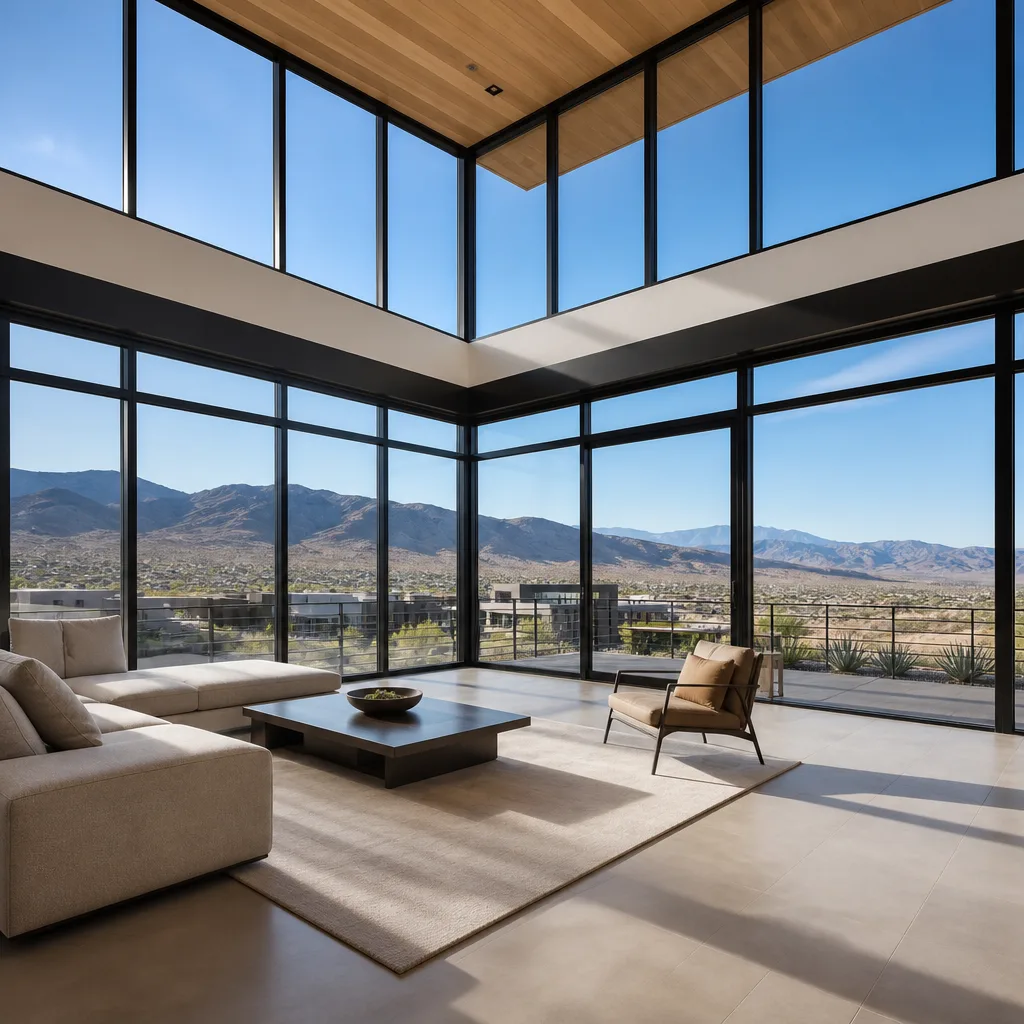
Low-E (low-emissivity) is a microscopically thin metallic coating that reflects infrared heat. There are two ways to apply it, and the choice matters more in Summerlin than the label suggests.
Hard-coat low-E is applied at the float glass stage, when the glass is still molten. It’s fused into the surface, which makes it durable, handleable, and acceptable on single-pane retrofits (like storm-window-adjacent or single-glazed match situations). Its downside is that it reflects less solar heat, so its SHGC runs higher.
Soft-coat low-E is sputtered onto finished glass in a vacuum chamber. It’s more reflective, blocks more solar heat, and delivers a lower SHGC and a lower U-factor. It’s also fragile before it goes into the sealed unit, which is why it lives inside the insulated glass assembly (IGU), not on the exposed surface.
In Summerlin, soft-coat is the default for west and south exposures. A soft-coat IGU with argon fill and a warm-edge spacer should land at SHGC between 0.22 and 0.28 and U-factor between 0.27 and 0.32. On north and east walls, where you want some winter solar gain and the summer load is modest, a hard-coat or a soft-coat with higher SHGC (0.35 to 0.42) is the better call. Specifying the same glass package on every orientation is the most common overspend we see in Summerlin replacement bids: it’s not wrong, but you paid for solar control on walls that didn’t need it.
Ask for the Center-of-Glass (COG) performance values on the actual glass make-up you’re buying, not a generic product-line brochure number. Those two sets of numbers can differ by 15 percent.
The Measured Survey Comes Before the Price
A quote written over the phone or from a homeowner’s rough measurements is not a quote. It’s an estimate of a guess, and it will change. In our experience, roughly one in three phone-measured window jobs in Summerlin needs a change order by install day, usually because the opening was out of square, the existing frame sat proud of the drywall by a half inch, or there was a stucco return the homeowner didn’t know existed.
The measured survey is the first document of the job, and it should record, opening by opening:
- Rough opening dimensions measured at three points horizontally and vertically, with the out-of-square and out-of-plumb noted in inches.
- Sightline and frame depth in the existing wall assembly, plus the wall thickness (stucco-to-interior-drywall) so the new frame’s jamb extension matches.
- Interior and exterior trim conditions (stucco, EIFS, siding, brick veneer) and how each will be returned after the frame goes in.
- Wall orientation (east, west, north, south) recorded per opening, because that’s what drives the glazing spec.
- Existing glass make-up, including whether the current units are single-pane, dual-pane, or impact-rated, and whether the existing frames are structurally sound.
- Photographs of every opening, interior and exterior, with a tape measure in frame at the sightlines.
The point of a measured survey is that the number on the final invoice can’t differ from it. That’s the founding principle behind the Haven Standard: Have it in writing, Arrive on schedule, Verified crews, Evidence on every job, No surprises. Clause 1 covers the first item, and it’s the reason a written price has to come before any work starts. The survey is a document you keep. If an installer can’t or won’t produce one before naming a price, the price isn’t real.
The Clark County Permit Process for Window Replacement
In unincorporated Clark County, which includes most of Summerlin, window replacement is generally exempt from a building permit as long as you are replacing a unit “in kind” (same size, same location, same operation type). Change the rough opening size, add a new opening, upgrade to impact-rated glass that requires a different anchoring schedule, or change the operation type (sliding to casement, say), and you’ve moved into permitted work.
The triggers we see most often in Summerlin:
- Size change: any increase or decrease in rough opening, even a quarter inch, moves to permitted work.
- Structural change: enlarging an opening requires a header analysis and a licensed structural engineer’s letter, which pushes the review time out considerably.
- Egress windows: a bedroom window that didn’t meet egress (clear opening, sill height) and now will is a permitted change because an inspector has to verify it.
- Impact-rated upgrades on multi-family: single-family impact windows are typically permitted in-kind, but HOA-governed multi-family in Summerlin often needs a separate submittal.
Timeline for a straightforward permitted window replacement in unincorporated Clark County runs 3 to 6 weeks for plan review and 1 to 2 inspections after install (rough and final, or final only in some cases). The 2021 storm-window submittal requirements are still what most jurisdictions reference, so confirm with the current edition of the applicable code before you file. Pulling and passing inspection is not optional: a permit pulled and passed is the only way the final inspection appears on your property record, which matters when you sell.
What Window Replacement Costs in Summerlin
Prices below reflect Summerlin market rates for materials, removal, install, finish-return, and disposal, with a written scope. They are not the lowest possible number; they’re the number a legitimate bid typically lands at.
| Scope | Typical Range |
|---|---|
| Single standard window swap (vinyl, dual-pane, soft-coat low-E) | $650 – $1,100 |
| Single impact-rated window swap (per opening) | $1,100 – $2,200 |
| Single window on west/south exposure with reinforced frame | $850 – $1,400 |
| Full-home replacement, 2,400 sq ft, 18 openings, vinyl energy-efficient | $14,000 – $24,000 |
| Full-home replacement, 2,400 sq ft, impact-rated | $22,000 – $32,000 |
| Full-home replacement, composite frame, mixed glazing packages | $26,000 – $38,000 |
| Custom or geometric opening (arch, radius, angled) | $1,800 – $4,500 |
| Permit and inspection (permitted jobs) | $250 – $900 |
| Stucco repair and finish-return (per opening, exterior) | $150 – $450 |
Two lines that show up on every legitimate bid and that you should refuse to see omitted: lead-safe handling where the home was built before 1978 (uncommon in Summerlin but present in some older pockets) and debris disposal. A bid without a disposal line is passing that cost to you on install day. Compare those line items before you compare total price, and if you have a competitor’s written quote in hand, we’ll review it at no charge.
What a Legitimate Bid Contains
A bid you can actually compare has eight elements. If any are missing, the price isn’t final:
- Opening-by-opening line items, not a lump sum, with the measured dimensions and orientation for each.
- Frame material and product line named specifically (e.g. a PGT vinyl unit or a CGI composite), with the heat deflection temperature and expansion coefficient included.
- Glass make-up spelled out: which low-E, whether argon or krypton, warm-edge spacer, and the COG SHGC and U-factor values.
- Interior and exterior finish-return scope, including stucco or EIFS repair and trim replacement.
- Permit line with the assumed inspections and the fee, or explicit written justification that no permit is required.
- Disposal, dumpster, and haul-away, listed.
- Written warranty, both manufacturer and installer, with term and what’s covered.
- Schedule commitment in writing: survey, order, install, inspection dates.
Every Sightline job operates from a written price before any work starts and finishes with a documented photo record of every opening, every corner weld, and every finish-return, plus the 365-Day Done Right Promise stamped on the job under the Haven Standard. That’s a comparison document, not a sales brochure.
Common Mistakes to Avoid
- Buying the same glass package on every wall. Specifying a high-SHGC unit on a west-facing Summerlin wall and a low-SHGC unit on the same wall next to it means your rooms will run at different temperatures all summer. Spec by orientation.
- Accepting a quote written without a site visit. Any number named before a measured survey is a placeholder that will move. That’s the whole reason a written price comes after the survey, not before.
- Ignoring the HOA’s exterior-change approval. Most Summerlin HOAs require a color and grid-style submittal before install. Approving the product first and the HOA second can hold up your job by weeks.
- Not asking for the heat deflection temperature. The spec sheet will happily give you U-factor and SHGC and skip the number that predicts premature failure in 115°F ambient.
- Skipping the permit on a size change. “It’s just a small enlargement” is the phrase that turns a sellable house into one with an unpermitted opening on its record.
- Choosing the installer on price alone when the price excludes trim and disposal. The two line items that most often pull a low bid up are stucco repair and debris haul-away; ask to see them itemized.
- Not verifying the crew. Ask to see license numbers before install day, not on the day. The Haven Standard’s Verified Crews clause is a background check and license check that should be documented, not verbal.
When to Call a Professional
Window replacement is not a homeowner job once the frame is out of square, the stucco return is being cut, or the glass is impact-rated. Any of the following means it’s time to call:
- A gap opens between interior drywall and frame at any corner (evidence of thermal racking you need diagnosed).
- Any existing unit fogs inside the sealed assembly (a failed IGU, which requires a full unit swap, not a glass-only fix).
- An opening will change size, operation type, or egress compliance (permitting and structural review).
- Your HOA has flagged a window for replacement but you’re unsure which product line is approved.
- You have a competitor’s written bid and want a second read on what it does and doesn’t include.
Sightline Windows & Doors Summerlin offers free estimates in Summerlin, with a measured survey before any price is written and every technician background-checked, uniformed, and identified by license number ahead of arrival. Window replacement in Summerlin is the core of what we do; call (844) 560-5201 to schedule your free estimate.
Frequently Asked Questions
A single standard window swap in Summerlin runs $650 to $1,100 installed, impact-rated single windows run $1,100 to $2,200, and a full-home replacement on a 2,400-square-foot house typically lands between $14,000 and $32,000 depending on frame and glazing. Those ranges include removal, install, finish-return, disposal, and permit where required. Call (844) 560-5201 for an exact quote; estimates are free and the measured survey comes first.
In most cases no, as long as the replacement is in kind, meaning same size, same location, same operation type. A permit becomes required when you change the rough opening size, add a new opening, change the operation type, add egress compliance, or make a structural change such as enlarging an opening with a header analysis. Most straightforward permitted jobs in unincorporated Clark County run a few weeks of plan review, plus one or two inspections after install.
Soft-coat low-E with argon fill is the right default on west and south exposures in Summerlin, targeting an SHGC between 0.22 and 0.28 and a U-factor between 0.27 and 0.32. On north and east walls, where the summer load is lower and some winter solar gain helps, a hard-coat or a higher-SHGC soft-coat (0.35 to 0.42) is often the better match. Ask for the Center-of-Glass values on the exact glass make-up you’re buying.
A typical Summerlin single-family window replacement runs one to two days for a partial-home job and three to five days for a full-home install, not counting order lead time, which is usually four to eight weeks for standard product lines and longer for custom or geometric openings. The measured survey, product order, install, and inspection all get written into the schedule before the install date is fixed.
Not on a proper written bid where the measured survey and the price are the same document. Change orders should only occur if a condition the survey documented is materially different from what’s behind the wall, which is rare when the survey was done correctly. If your current quote is conceptual rather than measured, treat it as an estimate that will move, and call (844) 560-5201 for a measured, written price instead.
Energy-efficient windows are specified for thermal performance (SHGC and U-factor), while impact-rated windows are specified for wind-borne debris resistance and are tested to the applicable impact standards at a specified pounds-per-square-foot rating. Many Summerlin homes in wind-exposure zones are best served by a unit that carries both: a soft-coat low-E, argon-filled impact-rated assembly from a line such as PGT or ES Windows. The two specifications aren’t mutually exclusive, and a good spec tells you both at once.
The Bottom Line
The window that works in Summerlin is not the cheapest code-minimum unit and it isn’t the one with the nicest showroom brochure. It’s a frame with a heat deflection temperature above 165°F on west and south exposures, a soft-coat low-E with argon fill at an SHGC around 0.25, a measured survey of every opening before a price is written, and a permit pulled and passed wherever the scope requires one. Expect $650 to $2,200 per opening depending on glass and exposure, with a full-home replacement between $14,000 and $32,000. Every bid on your desk should show materials, orientation, finish-return, permit, disposal, and warranty as separate line items, because those are the items that determine whether the number holds. Window installation in Summerlin done right starts with the document, not the truck.
If your scope includes a patio or entry door alongside the windows, our door installation in Summerlin page covers the same survey and specification discipline for that work. Call (844) 560-5201 to schedule your free estimate: the survey is free, the written price is the same document, and the whole job runs under the Haven Standard.
Written by the team at Sightline Windows & Doors Summerlin.
Six Reasons Homeowners Choose Sightline Windows & Doors Summerlin
Laminated glass and reinforced frames hold up to wind-driven rain, hail and flying debris, so your openings stay sealed when the weather turns.
Low-E insulated impact glass from our manufacturer lines commonly cuts monthly cooling bills 20-30%.
Laminated impact glass shuts out up to 40% of outside noise - traffic, neighbors, weather.
Monitoring services run $30-90 a month. Laminated impact glass resists forced entry around the clock, with no subscription.
Tighter seals and insulated glass even out hot and cold rooms and stop the drafts at the frame.
A full impact package upgrades curb appeal, buyer confidence and appraised value in one project.
Other Sightline Windows & Doors Summerlin Services