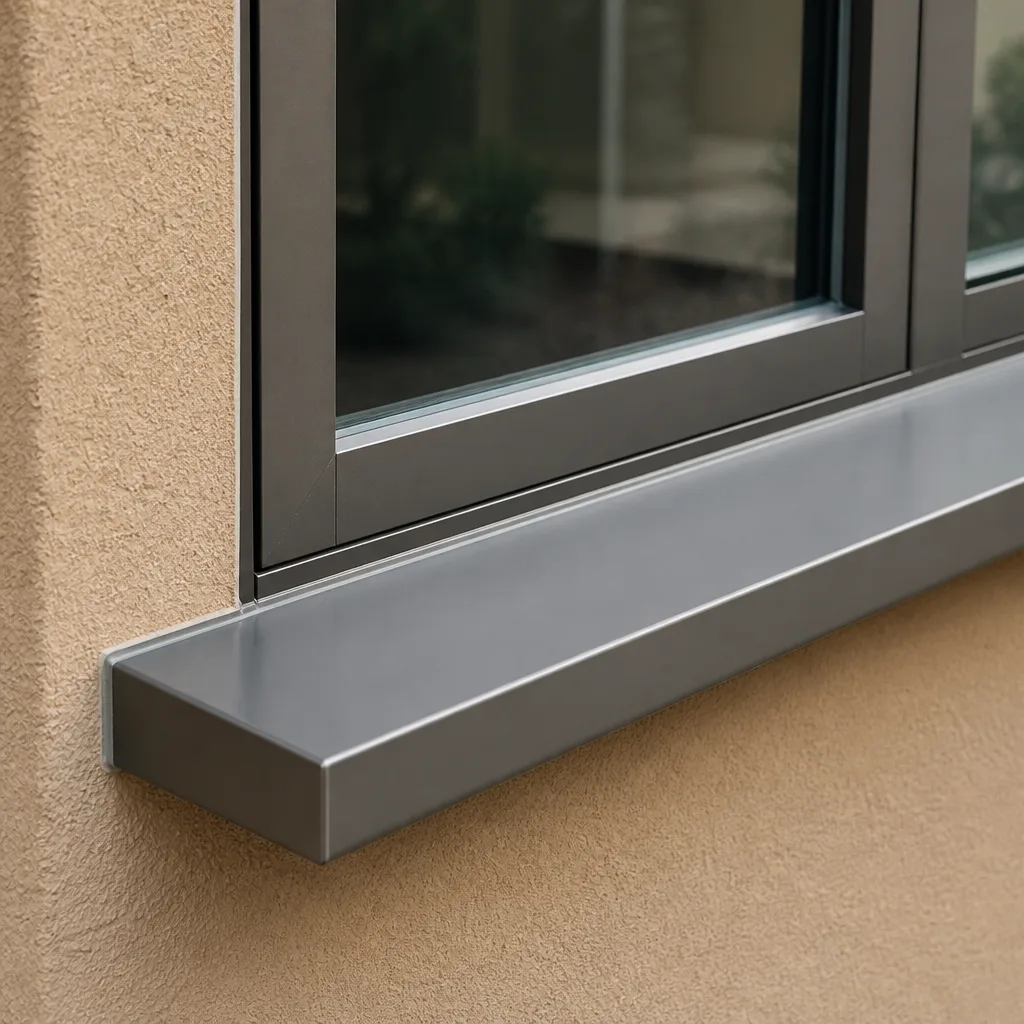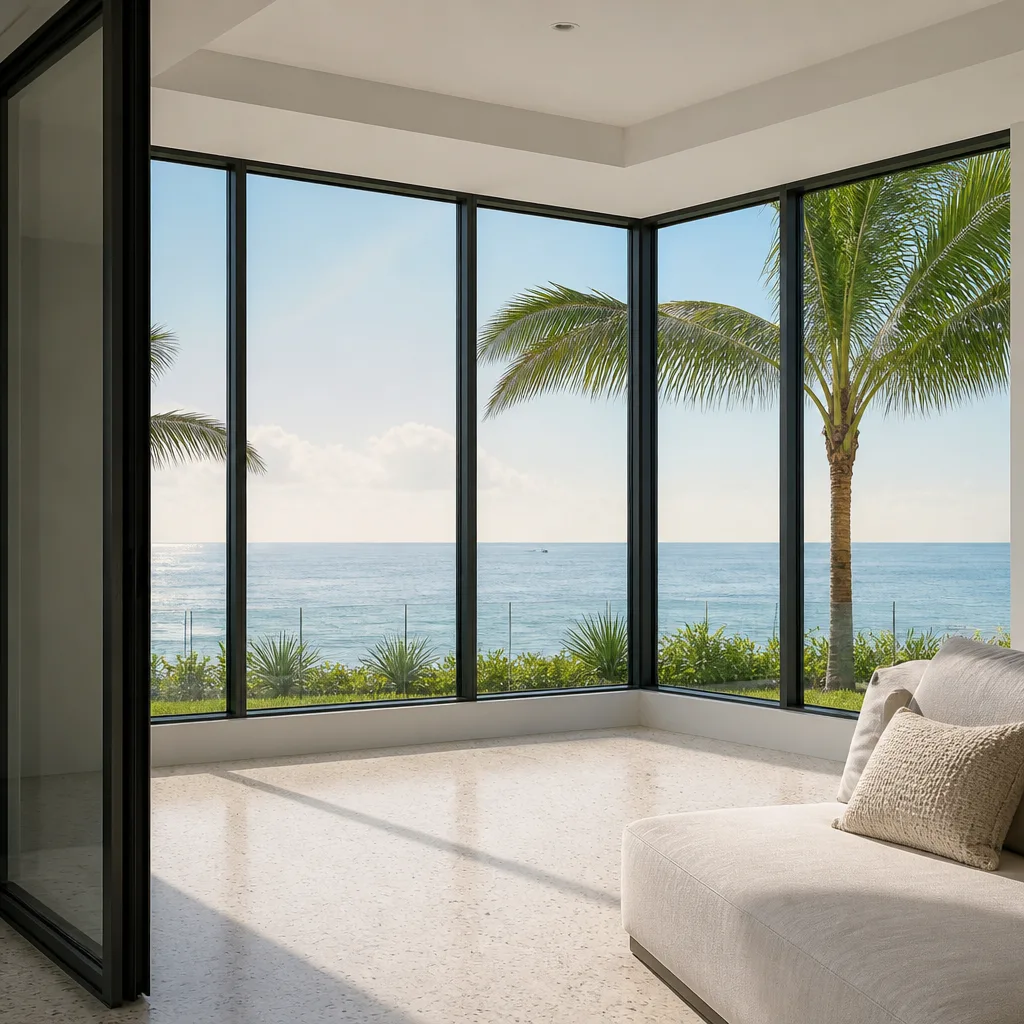
Last updated November 17, 2026
New windows and doors improve comfort, cut energy bills and add long-term value to your home. Sightline Windows & Doors Summerlin pairs proven product lines with a local vetted installing partner for lasting performance - and a price put in writing.
Choose your installer
The unit is half the job - the install is the other half. Background-checked local installers measure, set, seal and insulate every opening, and they know the lines we quote inside and out.
Select the right products
Compare styles, materials and glass packages side by side until the fit is right for your rooms, your budget and your goals. The product-line comparison below is the place to start.
Prepare your home for install
Before install day we walk you through a short checklist - furniture pulled back, treatments down, a clear path to each opening - so install day is watch-it-happen, not scramble.
Compare the Lines We Quote
Every project is priced on the same lines, side by side - the price indicators below are relative, and your consultant shows exact numbers on your actual openings.
PGTThe line homeowners arrive naming - the most impact certifications in the industry$$$
- More impact certifications than any other line we quote
- WinGuard, EnergyVue and ClassicVue Max systems built for every wind zone
- 99% on-time delivery keeps your install date on the calendar
CGIThe heavyweight impact line$$$$$
- Large-missile impact ratings for the strictest wind zones
- Architectural-grade aluminum with commercial-depth frames
- The line we quote when protection is the whole point
CWSThe value pick$$
- Vinyl systems built to strict wind codes
- Strong energy packages at the friendliest price point
- The smart start for whole-home replacements on a budget
ESWSlim lines, big glass$$$$
- Narrow-sightline aluminum for modern elevations
- Oversized openings and floor-to-ceiling glass
- Impact-rated without the bunker look
ECOThe aluminum impact workhorse$$$
- Factory-built aluminum impact systems
- A strong price-to-protection ratio for coastal homes
- Proven lines with short lead times
Window Installation Troubleshooting: Common Problems and How to Fix Them
Window manufacturers void warranties for improper installation more often than for any other reason, and the definition of “improper” is broader than most homeowners realize. It covers everything from a flashing pan installed without the required slope to a unit shimmed so tightly that thermal movement cracks the seal within two summers. The consequence: when a symptom shows up, the first question isn’t “which product failed?” It’s “was this installed to specification?” That distinction decides whether the repair is covered or comes out of your pocket. This guide maps Summerlin symptoms to root causes so you can have an informed conversation before anyone opens a wall.
Quick Answer
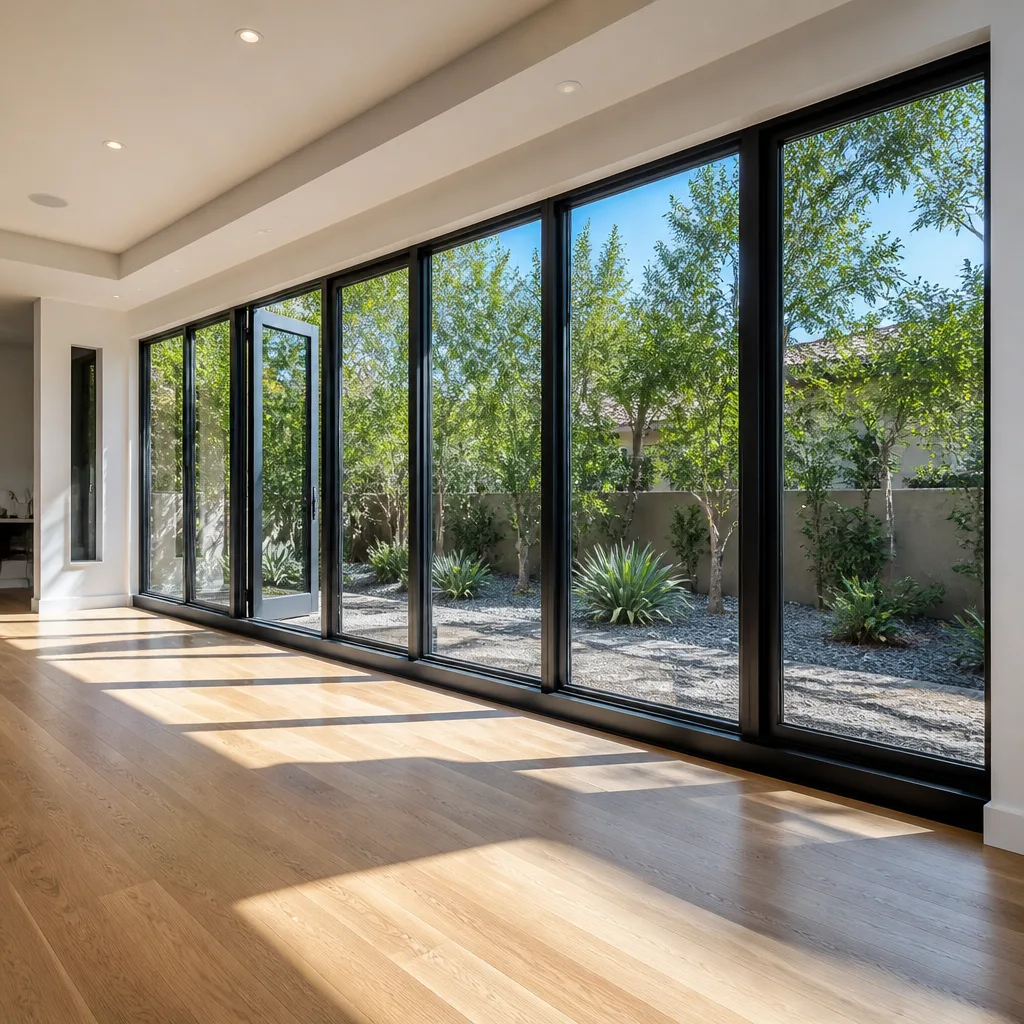
Most window problems homeowners call product defects are actually installation defects, and the tell is usually location: failures at the frame perimeter (the outer edge where window meets wall) point to flashing, sealant, or shimming errors, while failures at the sash or glass point to the unit itself. Condensation between the panes means a failed seal in the insulated glass unit (IGU); condensation on the room-side glass is a humidity problem in your home, not a window problem. Documenting which one you have, with photos and a hose test, determines whether the fix falls under warranty or not.
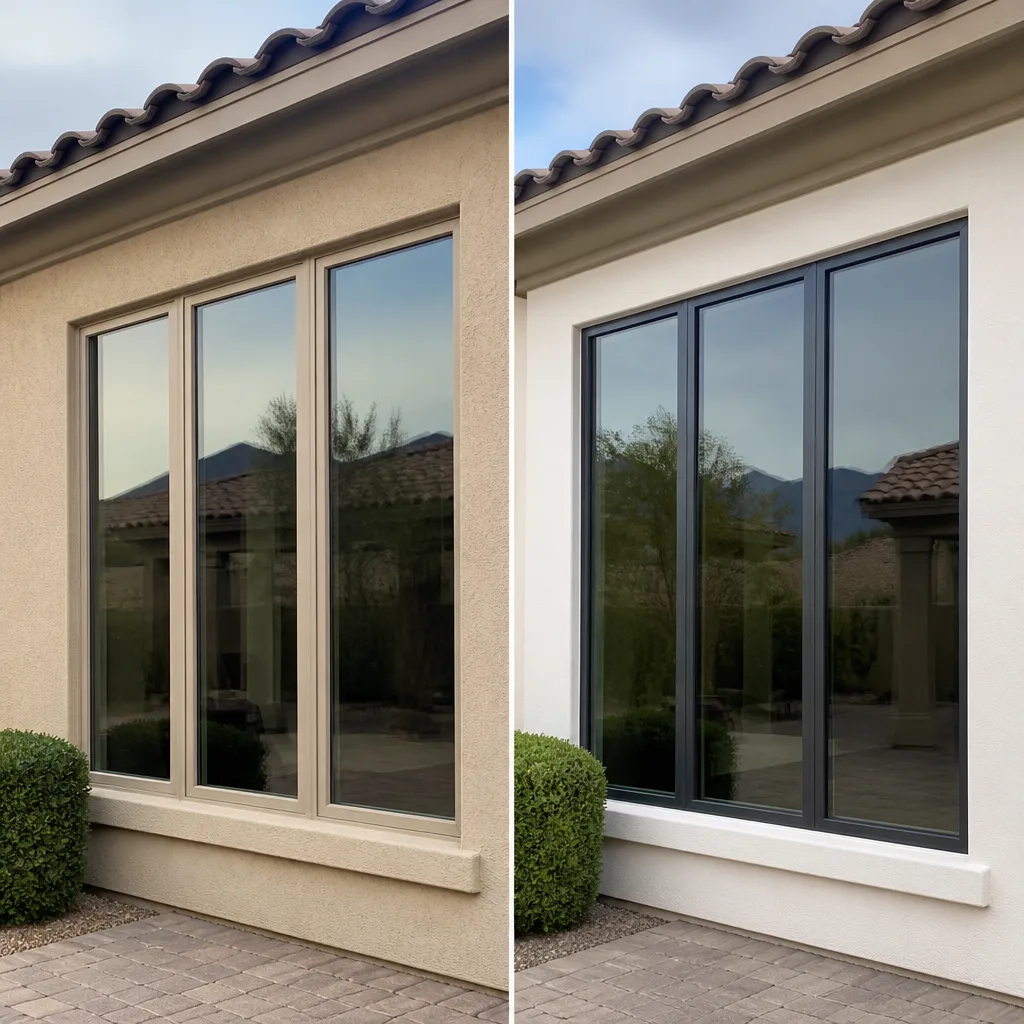
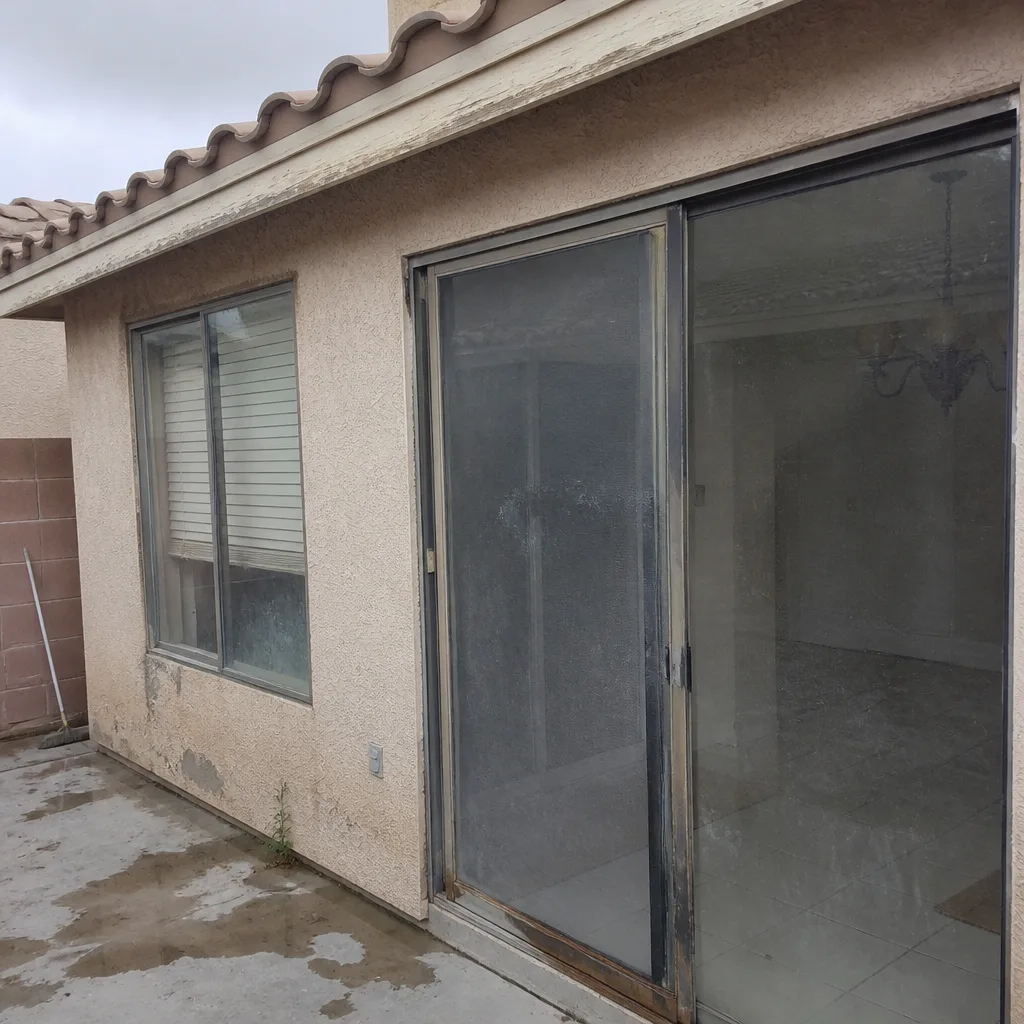 Before
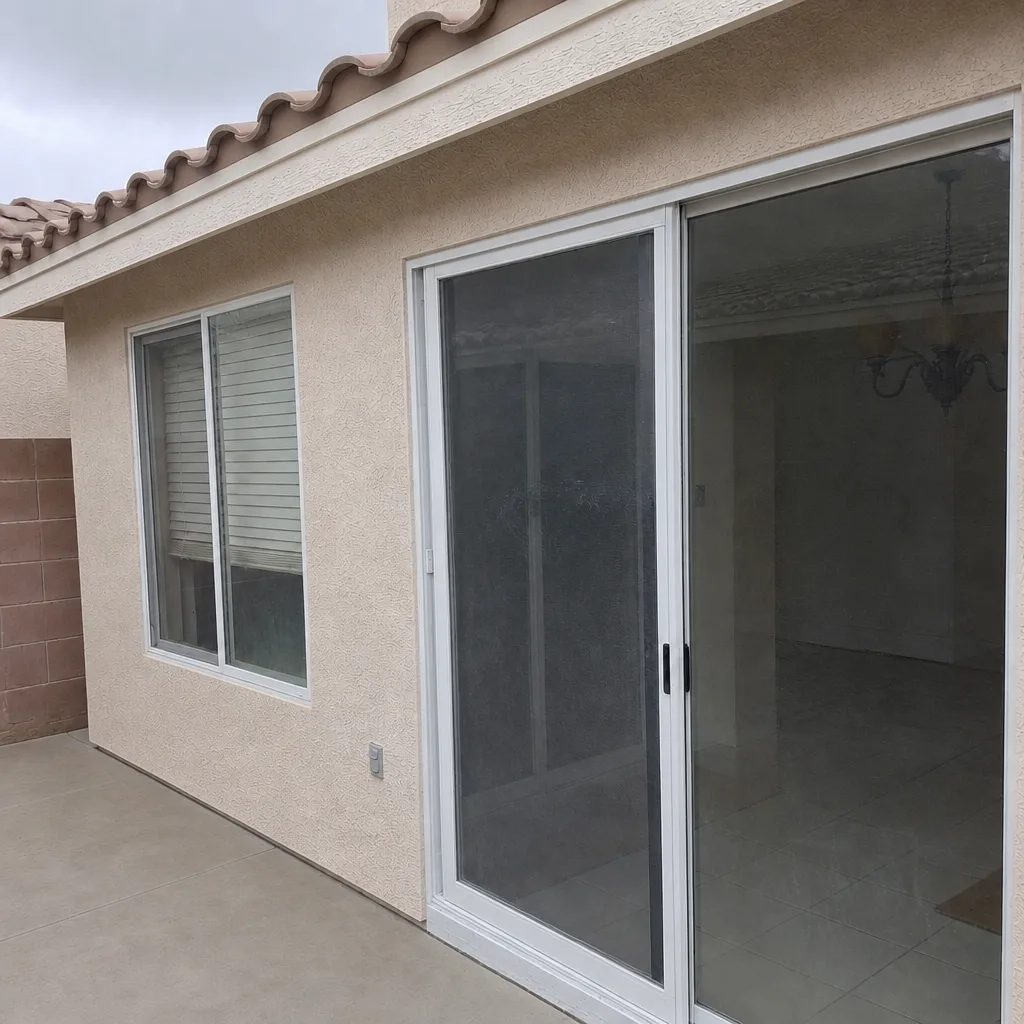 After
Table of Contents
- Is it a failed sealant joint or a failed flashing pan?
- The three condensation scenarios and what each one means
- Why windows stiffen in July and loosen in December
- Draft at the sash versus draft at the frame perimeter
- How to document a suspected installation defect before you call
- Summerlin climate, stucco, and the failures we see most
- Which category a symptom falls into: warranty or out of pocket
Is it a failed sealant joint or a failed flashing pan?

This is the single most useful distinction in window troubleshooting, and you can make it yourself with a garden hose and a flashlight. The test takes about fifteen minutes and tells you whether you’re looking at a surface repair or a repair that requires opening the wall.
- Pick a dry day at least 24 hours after the last rain, so any existing moisture has had time to dry.
- Have someone inside with a flashlight watching the interior perimeter of the suspect window, at the frame and along the sill.
- From outside, run a gentle stream of water against the wall directly above the window head for five minutes. Do not spray into the window itself.
- Then run water down each side jamb for three minutes, then across the sill for three.
- Note exactly where water appears inside and at what point in the sequence. Water appearing during the head soak points to a flashing pan problem. Water appearing only at the sill during the sill soak points to a sealant or sill-pan issue.
A failed sealant joint is a bead of caulk or sealant that has cracked, pulled away, or shrunk at the exterior perimeter. The fix is surface-level: remove the old bead, clean the substrate, and re-seal with a compatible product. A failed flashing pan sits behind the exterior finish, above the window head, and its job is to shed water out and away. When it’s missing, sloped backward, or installed without the required overlap, water gets behind the stucco and has nowhere to go. That’s a wall-open repair. In Summerlin, where stucco is the dominant exterior finish, we’ve seen head flashing installed flat rather than sloped more times than we’d like to count, and the symptom usually shows up as a stain on the interior drywall two to three seasons after installation.
The three condensation scenarios and what each one means
Condensation is where homeowners most often misdiagnose. The same water on glass means three entirely different things depending on where it appears. In our experience, roughly half the calls we get about “sweating windows” resolve to a humidity issue inside the home rather than a window defect.
- On the room-side glass surface. This is water condensing on the interior pane. It means the relative humidity in your home is too high for the outdoor temperature, not that the window is failing. Las Vegas Valley winters swing from warm afternoons to cold nights, and interior humidity from showers, cooking, and plants can condense on the coldest surface in the room, which is usually the glass. A humidity gauge is the test here. If indoor humidity is above 40 to 45 percent when it’s cold outside, lower it before calling anyone.
- Between the panes, inside the insulated glass unit (IGU). The IGU is two or three panes sealed around a desiccant-filled spacer. When that factory seal fails, moisture enters the sealed cavity and you see fogging, hazing, or visible water droplets between the glass. This is a unit failure and it’s typically covered under the manufacturer’s sealed-unit warranty, not an installation defect. It does not mean your wall is wet, and it doesn’t mean the install was wrong.
- Inside the frame cavity. Water appearing in the hollow frame, at the weep holes, or weeping out of the sill is almost always a drainage problem. Either the weep holes are blocked by stucco, sealant, or debris, or the frame is installed without proper back-slope so water can’t reach the drainage path. This one is installation-related and it does point toward the installer.
A useful analogy for friends and family: the window is a raincoat, and the flashing is a raincoat under a raincoat. If your shirt gets wet, the question is whether the outer raincoat has a hole or whether the wearer was standing in the rain without either on. Condensation on the inside of the glass is a humidity story. Water between the panes is a factory seal story. Water in the frame is a drainage story, and drainage is installed, not manufactured.
Why windows stiffen in July and loosen in December
A window that drags, hesitates, or won’t latch cleanly in July and then operates smoothly in December is almost never a hardware defect. It’s a tolerance problem. Every window frame moves with temperature, and a properly installed unit has the clearance to accommodate that movement. When a window only misbehaves in the heat, the frame is installed outside tolerance, shimmed too tight, or the rough opening isn’t square.
Here’s the mechanism. Vinyl and aluminum frames expand with temperature. In Summerlin, exterior surface temperatures on a south-facing wall can run well above 140 degrees in July, and the frame grows accordingly. If the installer shimmed the frame tight enough to eliminate the required perimeter gap, that growth has nowhere to go and the operating sash binds. Add a few months of UV exposure and you get a window that sticks six months a year.
The tell is the season. If a window binds only in the heat, check the following items before assuming you need new hardware:
- Open and close the sash at the coolest part of the morning and note the difference. A free-moving sash when cool confirms a thermal movement issue.
- Look at the reveal at the corners of the sash. A gap that disappears in the heat tells you the frame or sash is distorting.
- Check the operating hardware for any visible wear. A true hardware failure produces binding, scraping, or looseness that doesn’t follow the season.
- Inspect the perimeter caulk joint for cracking at the corners. Movement that causes sash binding usually moves the caulk too.
If the seasonality test confirms movement, the fix is a re-set with correct shimming and the right perimeter gap, not a new window. If you’re considering replacement anyway, our guide to window replacement in Summerlin covers what a correctly installed unit looks like when inspected.
Draft at the sash versus draft at the frame perimeter
This distinction saves homeowners money more reliably than any other. A draft at the sash rail is a weatherstripping issue. A draft at the frame perimeter is an installation issue, and conflating the two leads to expensive wrong fixes.
Test it with a smoke pencil or a candle in a still room, with the furnace or AC running. Hold it at three locations:
- At the junction of the sash and frame, along the sides and top of the operating sash. Movement here points to worn or compressed weatherstripping, which is a maintenance item. Fix: replace the weatherstripping and check that the sash is latching snugly.
- At the interior perimeter, where the window frame meets the drywall or trim. Movement here points to an air barrier gap behind the frame, which is an installation issue. Fix: remove the interior trim, foam or seal the perimeter properly, and reinstall. This is not something to cover with a bead of caulk, because caulk over a hidden gap traps moisture.
- At the exterior perimeter, where the frame meets the stucco or siding. Movement here points to a failed sealant joint or movement in the exterior finish, and it’s the same family of problem as the flashing section above.
A useful rule: weatherstripping costs a few dollars. An air-barrier repair costs hundreds. Doing the wrong one first is how a $40 fix becomes a $600 fix. In Summerlin, where the stucco finish does a lot of the air-sealing work at the exterior, perimeter drafts are more often exterior sealant failures than interior gaps. Test both sides before you commit.
How to document a suspected installation defect before you call
The single most effective thing you can do for a warranty claim is build a photo record that shows the problem in context. Most claims fail not because the defect isn’t real, but because the documentation doesn’t let anyone see what’s happening. Here’s what the record needs to show.
- A wide exterior shot that shows the whole window, the surrounding wall, and enough context to identify which window it is. Include an adjacent feature, like a downspout or corner, as a landmark.
- A close exterior shot of the suspect joint. If you’re pointing at a sealant gap, get the camera within a foot and include a coin or ruler for scale.
- A wide interior shot showing the full window and where the staining or draft appears. Include the room context.
- A close interior shot of whatever evidence exists: the stain perimeter, the crack, the water droplets. Use a flashlight at a grazing angle, which makes surface irregularities far more visible than direct light.
- A dated photo of a humidity gauge if the symptom involves condensation, toggling indoor humidity out as the variable.
- Your hose test sequence notes from the section above, written down as: “Water appeared at the sill when I ran water on the left jamb for three minutes.”
Two things bind the record together: a timeline and a copy of your original paperwork. Note the date the symptom first appeared and whether it correlates with a weather event. Then pull out the written quote and the contract from your original job. In Summerlin, you’ll often find that the original paperwork either documents the flashing method or doesn’t, and either answer helps. If you don’t have a written scope from your original installer, the practical option is to get a second opinion on the window overall; Sightline’s free second opinion on any written estimate gives you a documented read on whether what you’re seeing is a defect or a maintenance item.
Summerlin climate, stucco, and the failures we see most
Summerlin’s climate is hard on windows in three specific ways, and knowing them saves time when you’re diagnosing a symptom. The first is UV. The desert sun’s UV load on south- and west-facing glass is relentless, and it degrades sealants, weatherstripping, and interior finishes on a shorter timeline than in most of the country. If a sealant joint has failed within two to three years of installation, UV exposure is a likely co-factor, and choosing the right exterior sealant on the original install matters more here than in milder climates.
The second is the seasonal swing. Summer days well above 100 degrees and winter nights near freezing mean the frame and glass move through a wide thermal range every year, roughly 100 to 120 degrees on some exposures. Any installation that doesn’t leave room for that movement will develop operating failures. This is the root of the stiff-in-July symptom above and it’s why the shimming tolerance matters so much more here than in coastal climates.
The third is stucco. Stucco is the dominant exterior finish in Summerlin, and it’s a beautiful system with a specific install discipline. Flashing details behind stucco are easy to get wrong, especially at the head and the sill, and easy to cover up in a way that doesn’t show for a couple of years. When we perform a measured survey on an existing home, the exterior flashings and the interior trim are the two places we watch closely. In neighborhoods like The Ridges and Red Rock, we’ve seen driveway-facing west windows take more UV damage than rear-facing ones on the same home, which changes which windows need attention first. If you’re scheduling work in Summerlin soon, our guide to window installation in Summerlin walks through what to expect from the survey.
Which category a symptom falls into: warranty or out of pocket
This table is the practical payoff of everything above. When a symptom shows up, the category it falls into decides who pays.
- Fogging or water droplets between the panes. Failed IGU seal. Typically the manufacturer’s sealed-unit warranty. Call the manufacturer and the installer, in that order.
- Condensation on the room-side glass only. Indoor humidity. Out of pocket for the homeowner, but the fix is a humidity change, not a repair.
- Water in the frame cavity or at the weep holes. Failed drainage or flashing. Typically installation-related. The original installer’s workmanship warranty is the relevant one.
- Water at the interior head after pressure on the exterior head. Missing or backward-sloped flashing pan. Installation-related, wall-open repair. Warranty typically applies if the workmanship warranty covers flashing. Out of pocket if you already used the warranty window.
- Draft at the sash rail. Worn weatherstripping. Out of pocket maintenance item, usually inexpensive, no warranty claim.
- Draft at the frame perimeter. Air barrier or sealant failure. Installation-related. Check the workmanship warranty.
- Stiff operation in summer only. Shimmed too tight, out of thermal tolerance. Installation-related if within warranty, and the fix is a re-set, not a replacement.
- Hardware that binds year-round. Actual hardware failure. Warranty on the hardware, or replace the part out of pocket.
Two things decide the outcome more than the symptom itself. First, whether you have a written scope of work from the original install, which is the whole point of a Sightline Windows & Doors Summerlin engagement that starts with a measured survey you keep. Second, whether your photo record shows the symptom in context. Get both and you’re having an informed conversation. Skip them and you’re arguing about whether the defect is real.
Common Mistakes to Avoid
- Caulking over a suspected gap. A bead of caulk over a hidden air-barrier or flashing problem traps moisture and makes the damage worse. Diagnose first, then seal.
- Assuming all window problems are warranty problems. Condensation on the room-side glass and worn weatherstripping aren’t covered by anyone, and calling an installer about them wastes everyone’s time.
- Calling a stiff window a hardware defect without the season test. Open it on a cool morning. If it moves freely, it’s thermal movement, and new hardware won’t fix it.
- Failing to photograph the problem before you call. A photo of a stain without context doesn’t help anyone. Wide shot, close shot, date, location. That’s the record.
- Letting a drip into the interior drywall wait. In Summerlin, a small stain above a window in the fall becomes a much larger one by spring, because the water behind the stucco has nowhere to go. Address it in the dry season.
- Confusing a draft at the sash with a draft at the frame. One is a few dollars; the other is a real repair. Test with a smoke pencil at three different lines before you call.
- Not keeping the original written scope. If you can’t produce the paperwork that says how the flashing was installed, you can’t prove the installation was defective, and the warranty conversation becomes much harder.
When to Call a Professional
Call a professional when water appears at the interior above a window after a rain, which points to head flashing and a wall-open repair. Call when the frame cavity holds water or the weep holes fail to drain, which is an installation and drainage issue. Call when a window stiffens in summer only, because that’s a re-set, not a hardware swap. Call when condensation appears between the panes and you need the unit and the install inspected as a pair, since the two affect each other. And call when you have a documented photo record and want a second read before you commit to a repair. Sightline Windows & Doors Summerlin offers free estimates in Summerlin. Call (844) 560-5201 to schedule, and bring whatever paperwork you have from the original job; our free second opinion on any written estimate will tell you whether the symptom you’re seeing is a defect or a maintenance item. Every job we complete is covered by the 365-Day Done Right Promise and leaves a documented photo record.
Frequently Asked Questions
Fogging between the panes is typically covered by the manufacturer’s sealed-unit warranty, while water at the interior head or in the frame cavity is usually an installation issue and falls under the installer’s workmanship warranty. The determination depends on where the water appears and whether you have a written scope from the original job. Call (844) 560-5201 for a free estimate and second opinion; estimates are free.
Moisture between the panes means the insulated glass unit’s factory seal has failed and the desiccant inside can no longer absorb the humidity. It’s a unit manufacturer issue, not an installation defect, and it doesn’t mean your wall is wet. The fix is an IGU replacement and it’s usually a warranty item; call (844) 560-5201 to have the unit inspected.
No. A written price before any work starts is the founding principle here, and the written quote cannot differ from the measured survey the customer keeps. Sightline’s no-hassle upfront pricing means the number on the page is the number on the invoice. Call (844) 560-5201 to schedule your free estimate.
Window replacement on existing openings often moves through permitting under the homeowner’s local jurisdiction, and the requirement depends on the scope. Our measured survey identifies whether a permit is required for your job and the written scope documents the work. Call (844) 560-5201 for a free estimate and a review of your specific opening.
A single window replacement is typically a one-day job, and a whole-home replacement runs several days depending on the number of openings and the product line. The written scope gives you a day count before anyone starts. Every completed job leaves a photo record and is covered by the 365-Day Done Right Promise; call (844) 560-5201 to schedule your free estimate.
Often not, because a perimeter draft means the air barrier behind the frame has a gap, and closing it requires removing interior trim and addressing the gap properly rather than caulking over it. A sash-rail draft from worn weatherstripping is a simpler fix, but the two are different problems. Call (844) 560-5201 for a free estimate on the perimeter repair; a smoke-pencil test will tell you which one you have.
The Bottom Line
Window problems split into two families, and identifying which family a symptom belongs to is the whole game. Failures at the glass and sash (fogging between the panes, worn weatherstripping, binding hardware that fails year-round) point at the product. Failures at the frame perimeter (water at the head, drafts at the perimeter, water in the cavity, summer-only stiffness) point at the installation, and installation problems are covered by the workmanship warranty if you have a written scope and a photo record. Diagnose the category, document what you see, and you’ll know what to expect before anyone opens a wall. If you’re comparing written estimates, bring us the other quote and we’ll review it at no charge; a written price before any work starts is the bare minimum you should accept. Our guide to door installation in Summerlin covers the same troubleshooting logic for doors, and the products we install (Mr-Glass, PGT, Therma-Tru, and other lines specified by what each opening requires) are chosen by performance tier, not by margin.
Ready to schedule? Call (844) 560-5201 for a free estimate with Sightline Windows & Doors Summerlin.
Written by the team at Sightline Windows & Doors Summerlin.
Six Reasons Homeowners Choose Sightline Windows & Doors Summerlin
Laminated glass and reinforced frames hold up to wind-driven rain, hail and flying debris, so your openings stay sealed when the weather turns.
Low-E insulated impact glass from our manufacturer lines commonly cuts monthly cooling bills 20-30%.
Laminated impact glass shuts out up to 40% of outside noise - traffic, neighbors, weather.
Monitoring services run $30-90 a month. Laminated impact glass resists forced entry around the clock, with no subscription.
Tighter seals and insulated glass even out hot and cold rooms and stop the drafts at the frame.
A full impact package upgrades curb appeal, buyer confidence and appraised value in one project.
Other Sightline Windows & Doors Summerlin Services